

Why Venus Changes Shape Through a Telescope
Venus can look like a small gibbous disk or a larger crescent. The change comes from sunlight, viewing angle, and the changing distance between Earth and Venus.
Venus can look like a small gibbous disk or a larger crescent. The change comes from sunlight, viewing angle, and the changing distance between Earth and Venus.

Measurement errors are not embarrassing failures; they are clues. Learn how young scientists can compare results, investigate variation, improve a fair test, and report what a measurement can honestly show.
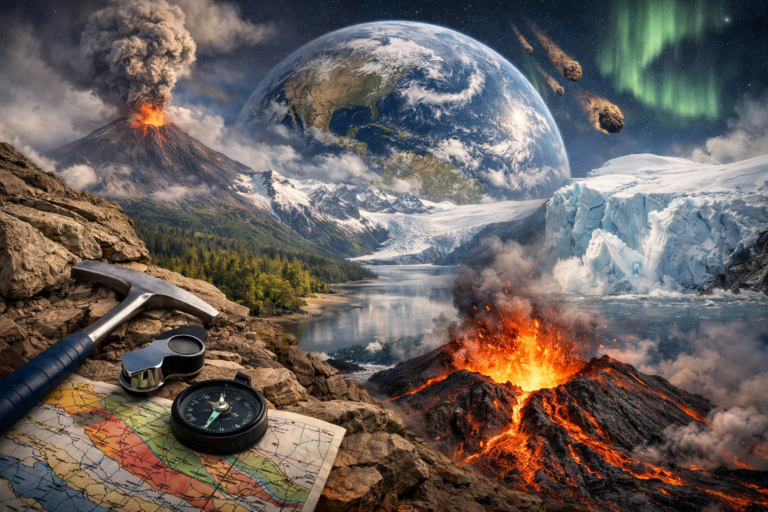
Earth science explores the systems that shape our planet, from deep interior processes to atmosphere, oceans, and life-supporting cycles. It helps us understand natural hazards, climate change, resources, and the history written in rocks, water, and air.
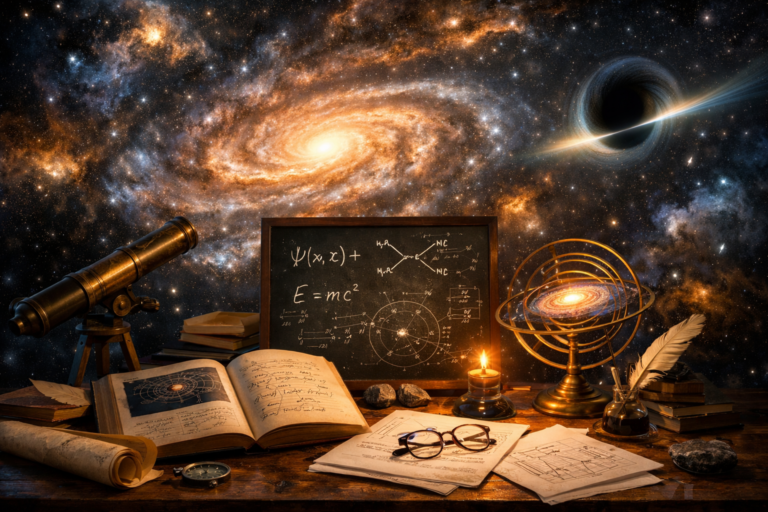
Physics is the science of matter, energy, motion, and the forces that shape the universe. From falling apples to quantum particles and expanding galaxies, it provides the framework for understanding reality.

Science helps us explore how the world works through observation, questions, and experiments. This beginner-friendly guide explains the basics of science in a simple and exciting way.

Scientific breakthroughs do more than expand knowledge—they transform medicine, technology, energy, and our understanding of reality. From gene editing to space exploration, modern science is accelerating change at an unprecedented pace.

Neuroscience explores how billions of brain cells generate perception, memory, emotion, and action. This article examines core brain systems, modern research tools, and why studying the nervous system matters for medicine and society.