
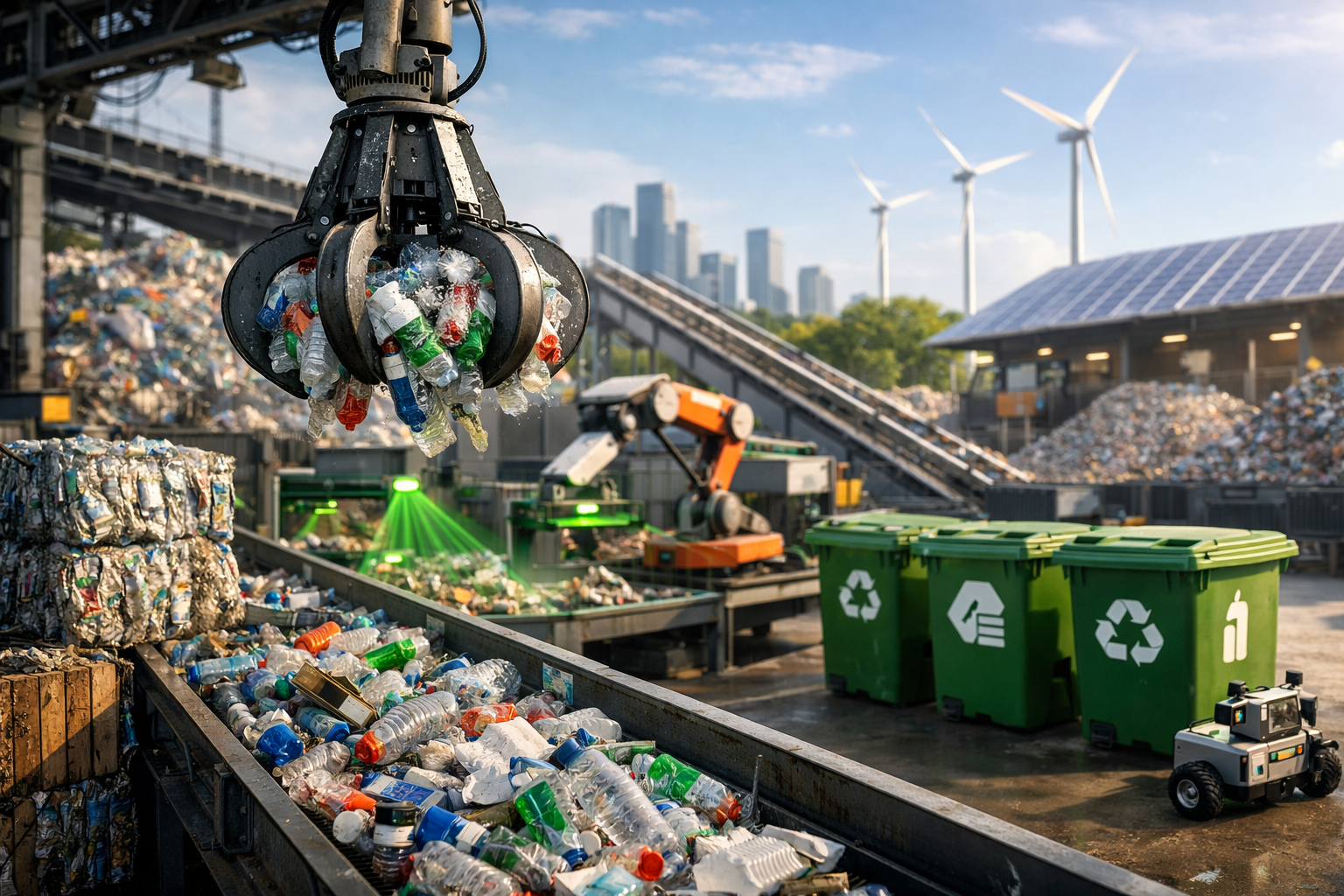
Why Recycling Matters in a Sustainable World
Recycling is one of the most practical tools available for building a more sustainable society. At its core, recycling turns used materials into new products, reducing the need to extract virgin resources such as timber, metals, oil, and minerals. This process helps conserve ecosystems, lower energy use, and decrease the volume of waste sent to landfills or incinerators.
As global consumption continues to rise, waste generation grows with it. Packaging, electronics, textiles, paper, and plastics all contribute to mounting environmental pressure. Recycling helps address this challenge by extending the life cycle of materials and supporting a more circular economy, where products are reused, repaired, and remade instead of simply discarded.
The Environmental Benefits of Recycling
The environmental value of recycling goes far beyond keeping trash out of sight. When done effectively, it creates measurable benefits across multiple areas.
- Conserves natural resources: Recycling paper reduces the demand for freshly cut trees, while recycling metals decreases the need for mining.
- Saves energy: Manufacturing products from recycled materials often requires less energy than producing them from raw resources. Aluminum is a well-known example, as recycled aluminum uses far less energy than primary production.
- Reduces greenhouse gas emissions: Lower energy consumption and reduced extraction activities help limit carbon emissions associated with manufacturing and transportation.
- Decreases landfill use: Recycling diverts valuable materials from landfill sites, reducing land use, pollution risks, and methane generation from mixed waste.
- Protects habitats: Less mining, drilling, and logging means less disruption to forests, waterways, and wildlife habitats.
How the Recycling Process Works
Many people place items in a recycling bin without seeing what happens next. However, the system behind recycling involves several important stages. First, recyclable materials are collected from homes, offices, schools, and businesses. They are then transported to sorting facilities, where paper, cardboard, glass, plastics, and metals are separated using a combination of machines and manual checks.
After sorting, materials are cleaned and processed into forms that manufacturers can reuse. Paper may be pulped, glass can be crushed and melted, and metals are shredded and refined. Plastics are often sorted by polymer type before being turned into pellets for new products. The quality of this stream matters greatly. Contaminated recycling, such as food-stained paper or mixed materials that cannot be separated, can reduce efficiency and increase costs.
Commonly Recycled Materials
- Paper and cardboard
- Glass bottles and jars
- Aluminum and steel cans
- Certain plastic containers
- Electronics through specialized recycling programs
- Textiles in dedicated collection systems
Challenges Facing Recycling Systems
Although recycling offers major environmental benefits, it is not a perfect solution. One of the biggest challenges is contamination. Items such as greasy pizza boxes, plastic bags placed in standard bins, and non-recyclable packaging can disrupt sorting lines and spoil otherwise recyclable materials.
Another challenge is inconsistent local rules. What is recyclable in one city may not be accepted in another, creating confusion for households. Markets for recycled materials also fluctuate. If the demand for recycled plastic or paper drops, some materials become less economically viable to process.
In addition, certain products are difficult to recycle by design. Multi-layer packaging, mixed-material goods, and low-value plastics can be technically challenging or too costly to recover. This is why sustainability experts increasingly emphasize that recycling should be part of a broader strategy, not the only answer.
Recycling and the Circular Economy
Recycling becomes more powerful when it is viewed within the larger framework of the circular economy. In a traditional linear system, resources are extracted, made into products, used, and thrown away. In a circular model, materials are kept in use for as long as possible through thoughtful design, maintenance, reuse, refurbishment, and recycling.
This shift encourages businesses to create packaging that is easier to recycle, products that last longer, and systems that recover materials more efficiently. Governments can support this transition through regulations, deposit return schemes, public education, and investment in modern recycling infrastructure. Consumers also play an important role by choosing products with recycled content and minimal packaging.
How Individuals Can Recycle More Effectively
Better recycling begins at home. Small changes in daily habits can significantly improve the quality and impact of recycling programs.
- Learn local guidelines: Follow the specific recycling rules in your area instead of guessing.
- Rinse containers: Remove leftover food and liquids to reduce contamination.
- Keep recyclables loose: Avoid bagging items unless your local system specifically allows it.
- Separate special waste: Batteries, electronics, light bulbs, and chemicals usually need dedicated drop-off points.
- Reduce before recycling: Choose reusable bags, bottles, and containers to cut waste at the source.
- Buy thoughtfully: Support brands that use recyclable or recycled materials.
Beyond the Bin: The Future of Sustainable Waste Management
The future of recycling is likely to involve smarter technology, stronger policy, and better product design. Artificial intelligence and advanced robotics are already improving sorting accuracy in some facilities. Chemical recycling and other emerging methods may help recover materials that are difficult to process mechanically, though their environmental performance must be carefully assessed.
At the same time, real sustainability depends on reducing unnecessary consumption and designing waste out of the system altogether. Recycling remains essential, but it works best when paired with reuse, repair, composting, and responsible production. A sustainable future will not be built by disposal habits alone, but by rethinking how materials move through the economy.
When individuals, businesses, and governments work together, recycling becomes more than a routine act. It becomes part of a broader commitment to protecting resources, lowering pollution, and creating communities that are better equipped to thrive within environmental limits.