
Why Furniture Matters in Home Improvement
Furniture is more than a collection of practical household items. It shapes the way a space is used, influences comfort, and helps define the personality of a room. In home improvement projects, furniture often bridges the gap between construction and decoration. A well-chosen sofa, dining table, shelving unit, or bed frame can make a newly updated space feel complete, while outdated or poorly scaled pieces can limit both function and style.
Whether you are furnishing a first home, refreshing one room, or taking on a full DIY makeover, furniture deserves careful planning. Size, layout, materials, durability, and adaptability all play a role in selecting or improving pieces that support daily life.
Choosing Furniture That Fits Your Space
One of the most common decorating mistakes is choosing furniture based only on appearance. While style matters, fit and function should come first. Before buying or building anything, measure the room carefully and think about how people move through the space. Leave enough clearance around large pieces so the room feels open rather than crowded.
Scale is especially important in smaller homes and apartments. Bulky furniture can make a room feel cramped, while undersized items may look disconnected. Look for pieces that match the proportions of the space and serve more than one purpose when possible.
Practical tips for better furniture planning
- Measure doorways, stairwells, and hallways before purchasing large items.
- Use painter’s tape on the floor to outline furniture dimensions.
- Prioritize comfort and daily use over short-term trends.
- Select pieces with built-in storage for compact rooms.
- Choose neutral core items and add personality through textiles and accents.
Popular DIY Furniture Improvements
DIY furniture projects are a cost-effective way to improve your home while adding character. Many older or basic pieces can be transformed with simple tools and materials. Refinishing wood, painting cabinets, reupholstering chairs, or updating hardware can give furniture a completely new look without the expense of buying brand new items.
For beginners, some of the easiest upgrades involve surface-level changes. Sanding and staining a tired coffee table can highlight the natural grain, while chalk paint can create a matte, modern, or farmhouse-inspired finish. Swapping standard knobs and handles on dressers or sideboards is another quick improvement that can make furniture feel more custom.
Simple DIY upgrades with big visual impact
- Paint old wooden chairs in a fresh, durable satin finish.
- Replace dated drawer pulls with modern metal or ceramic hardware.
- Add peel-and-stick wallpaper inside bookcases for contrast.
- Reupholster dining chair seats with stain-resistant fabric.
- Refinish tabletops with protective sealers for long-lasting use.
Best Materials for Furniture Durability
Material choice has a major influence on longevity, maintenance, and appearance. Solid wood remains one of the most valued furniture materials because it is durable, repairable, and timeless. Oak, maple, walnut, and pine each offer a different look and level of hardness. Engineered wood products can be more budget-friendly, though quality varies widely.
Metal furniture is often ideal for industrial, modern, or outdoor settings because of its strength and clean lines. Upholstered furniture provides comfort, but fabric type matters. Performance fabrics are a smart option in homes with pets or children because they resist stains and wear more effectively than delicate textiles.
When comparing furniture options, think beyond the showroom appearance. Consider how the material will handle sunlight, moisture, cleaning products, and everyday use. Durable finishes and sturdy joinery often matter more than decorative details.
Furniture for Small Spaces and Multi-Use Rooms
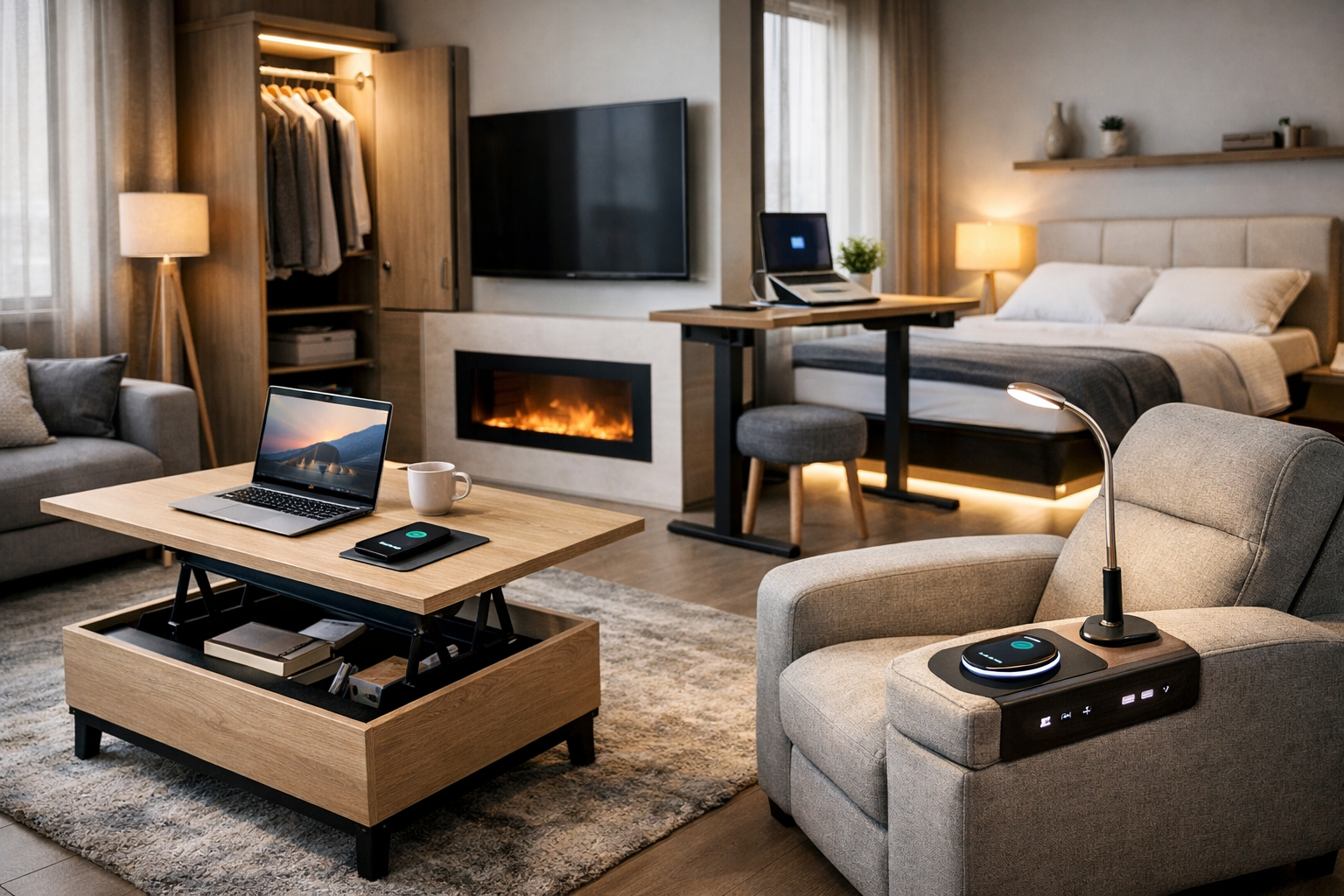
As homes evolve, many rooms are expected to serve multiple purposes. A guest room may also function as an office, and a living room might need hidden storage or flexible seating. Furniture that adapts to changing needs can make these spaces far more efficient.
Storage beds, nesting tables, lift-top coffee tables, modular sofas, and wall-mounted desks are all practical solutions. In smaller areas, vertical storage can be especially useful. Tall bookcases and floating shelves draw the eye upward while preserving floor space.
Top furniture ideas for compact homes
- Use ottomans with hidden storage in living rooms and bedrooms.
- Choose extendable dining tables for flexible entertaining.
- Install wall shelves instead of bulky cabinets where possible.
- Select sleeper sofas or daybeds for dual-purpose rooms.
- Opt for benches in entryways to combine seating and storage.
Style, Cohesion, and Room-to-Room Flow
A home does not need identical furniture in every room, but it should have a sense of visual consistency. Cohesion comes from repeating colors, materials, shapes, or finishes across spaces. For example, black metal accents, warm wood tones, or soft neutral upholstery can create a unified look throughout the home.
Mixing styles can also work beautifully when done with intention. A vintage dresser can sit comfortably beside a modern bed if the scale, color palette, or hardware connects the two. The key is balance. Too many competing finishes or oversized statement pieces can make a home feel disjointed.
Maintenance and Long-Term Value
Furniture is an investment, and maintenance protects both appearance and value. Wood surfaces benefit from regular dusting and occasional conditioning. Upholstery lasts longer when cushions are rotated and spills are cleaned quickly. Felt pads under table and chair legs help prevent floor damage and reduce wear.
It is also worth learning basic repair skills. Tightening loose joints, touching up scratches, and replacing worn fabric can extend the life of furniture significantly. In many cases, a small repair is far more sustainable and affordable than replacement.
Final Thoughts
Furniture has the power to transform a home by improving comfort, organization, and style. Whether you are shopping for durable essentials, repurposing secondhand finds, or tackling DIY upgrades, thoughtful choices lead to better results. Focus on pieces that fit your space, support your lifestyle, and hold up over time. With the right approach, furniture becomes more than decoration; it becomes a practical foundation for a better home.