
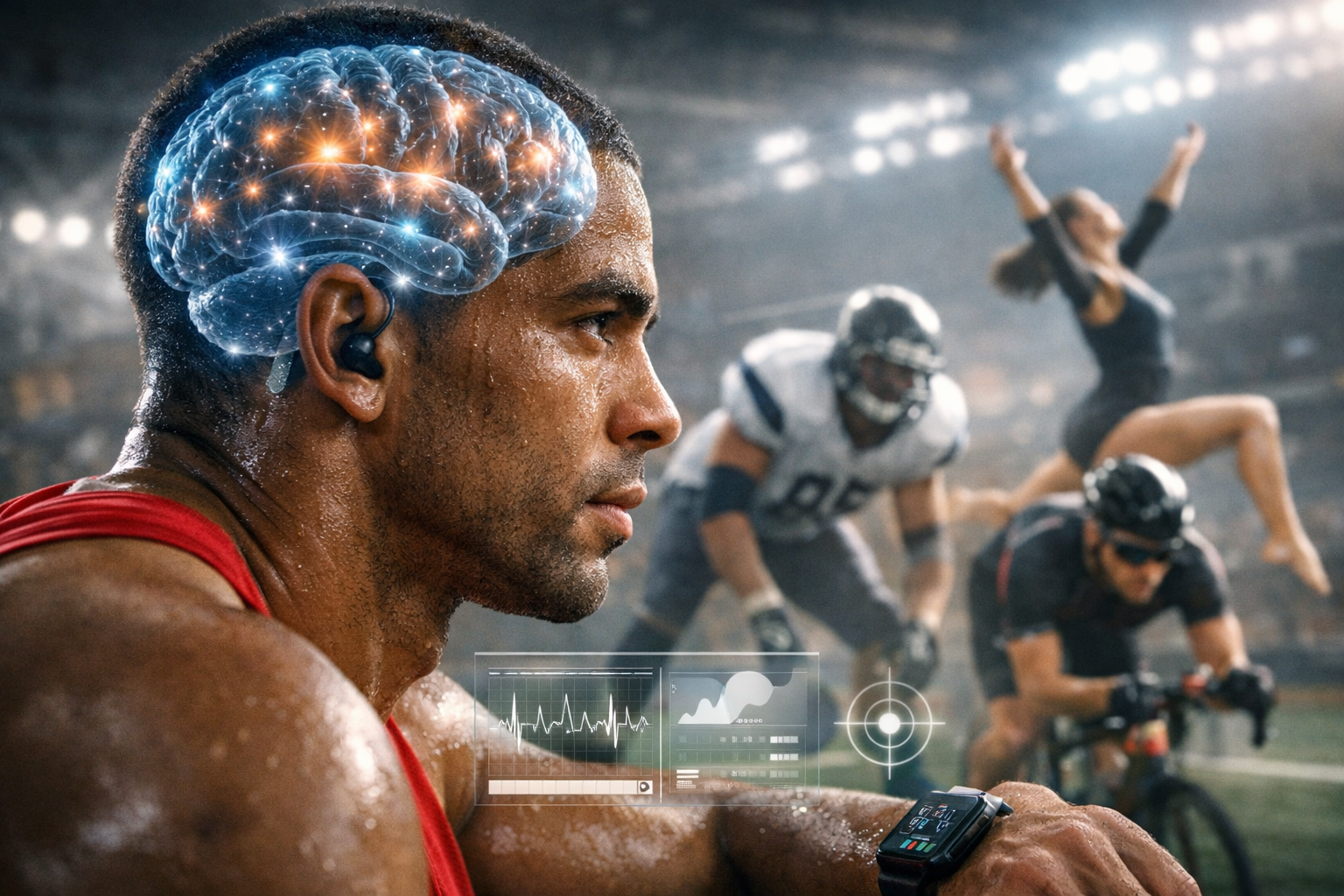
Why Athlete Profiles Matter in Sports and Fitness
In the world of sports and fitness, athlete profiles do far more than introduce a famous name or list career achievements. They provide a deeper look into the habits, discipline, recovery strategies, and mental approach that shape performance at the highest levels. Whether the athlete is a sprinter, swimmer, weightlifter, football player, or endurance runner, their profile offers valuable insight into how success is built over time.
For fans, athlete profiles create connection and context. For coaches, they provide examples of training adaptation and consistency. For recreational athletes and fitness enthusiasts, these profiles can become practical blueprints for goal-setting, motivation, and sustainable progress. The most compelling athlete stories are not only about talent, but also about how individuals manage setbacks, maintain focus, and evolve with the demands of competition.
The Core Elements of a Strong Athlete Profile
A meaningful athlete profile usually combines performance history with personal development. It moves beyond statistics to explain how the athlete trains, thinks, eats, recovers, and responds to pressure. This broader picture helps people understand that elite performance is rarely accidental.
Background and Early Development
Many athlete journeys begin with a mix of natural ability, early exposure, and structured support. Some are introduced to sports through school programs or family influence, while others discover their path later through fitness communities or local clubs. Early development often includes experimentation across multiple disciplines before specialization begins.
This stage is important because it highlights the foundation of movement skills, competitive confidence, and physical literacy. Athletes who build broad athletic ability early in life often carry better coordination, injury resilience, and adaptability into their later careers.
Training Philosophy and Daily Routine
One of the most valuable sections of any athlete profile is the training breakdown. Elite athletes rarely rely on intense effort alone. Their routines are planned around progression, recovery, technical refinement, and performance cycles. A sprinter may emphasize explosive power and mechanics, while a cyclist might focus on aerobic capacity, threshold training, and pacing strategy.
Daily structure often includes multiple components:
- Sport-specific practice and technical drills
- Strength and conditioning sessions
- Mobility and flexibility work
- Recovery protocols such as stretching, massage, or ice therapy
- Nutrition timing and hydration planning
- Mental preparation, including visualization or breathwork
These details remind readers that consistency, rather than occasional intensity, is what drives long-term performance improvements.
The Role of Mindset in Athletic Success
Mental strength is one of the most discussed themes in athlete profiles, and for good reason. High-level sport demands concentration, emotional control, and resilience. Athletes must handle expectations, criticism, injury concerns, and the pressure to perform when margins are extremely small.
Profiles often reveal that successful athletes do not avoid adversity—they learn how to work through it. Some use setbacks as motivation. Others build routines that reduce decision fatigue and improve confidence under pressure. Many rely on sports psychologists, journaling, meditation, or pre-performance rituals to stay centered.
Athlete mindset usually includes several recurring traits:
- Commitment to process over immediate results
- Willingness to learn from losses and mistakes
- Discipline in training even when motivation dips
- Patience during recovery and performance plateaus
- Confidence rooted in preparation rather than hype
These lessons are just as relevant for everyday fitness goals as they are for championship competition.
Nutrition, Recovery, and Performance Longevity
Modern athlete profiles increasingly highlight areas that once received less public attention: sleep, recovery, and nutrition. These are no longer secondary topics. They are essential parts of performance and career longevity.
Nutrition strategies vary based on sport, season, and individual physiology. Endurance athletes may prioritize carbohydrate fueling and electrolyte balance, while strength athletes often focus on protein intake, power output, and body composition. Across all sports, hydration, meal timing, and recovery nutrition play central roles.
Recovery has also become more sophisticated. In addition to rest days, many athletes monitor training load, sleep quality, heart rate variability, and soreness patterns. These tools help reduce overtraining risk and support better adaptation. Athlete profiles that include recovery habits offer a valuable reminder: progress happens not just during training, but during the body’s ability to rebuild afterward.
Injuries, Comebacks, and Character
No athlete profile feels complete without acknowledging challenge. Injuries, losses, selection disappointments, and unexpected career changes often define athletes more clearly than easy victories do. Comeback stories resonate because they reveal character under stress.
When athletes return from setbacks, the process usually requires more than physical healing. It demands trust, patience, and a willingness to rebuild from fundamentals. Profiles that cover rehabilitation and return-to-play phases show how professionals balance ambition with caution. They also teach an important lesson for anyone in sports and fitness: setbacks are part of the journey, not proof that the journey is over.
What Everyday Athletes Can Learn
One of the biggest benefits of reading athlete profiles is the ability to apply elite principles to ordinary training. Not everyone is preparing for international competition, but many of the same habits can improve personal fitness results.
- Set specific, measurable goals instead of vague intentions
- Build routines that support consistency week after week
- Track progress to identify strengths and weaknesses
- Respect recovery as much as hard training days
- Use setbacks as feedback, not failure
- Stay focused on sustainable improvement over shortcuts
These lessons help bridge the gap between inspiration and action. Athlete profiles are most powerful when they move readers to train smarter, recover better, and commit more fully to their own development.
The Evolving Future of Athlete Profiles
Today, athlete profiles are no longer confined to magazine features or television interviews. They live across podcasts, social media, documentaries, training apps, and team platforms. This evolution has made athlete stories more accessible, but it has also changed how they are presented. Audiences now want authenticity, not just polished highlights.
The most engaging profiles combine achievement with honesty. They explore the full athlete experience—discipline, vulnerability, purpose, and growth. In sports and fitness, that kind of storytelling matters because it humanizes performance. It shows that excellence is built through daily decisions, strong support systems, and the courage to keep improving.
Ultimately, athlete profiles are not just about celebrating stars. They are about understanding the habits and values that turn potential into performance. For anyone passionate about sports and fitness, these profiles offer motivation, education, and a practical model for personal progress.