
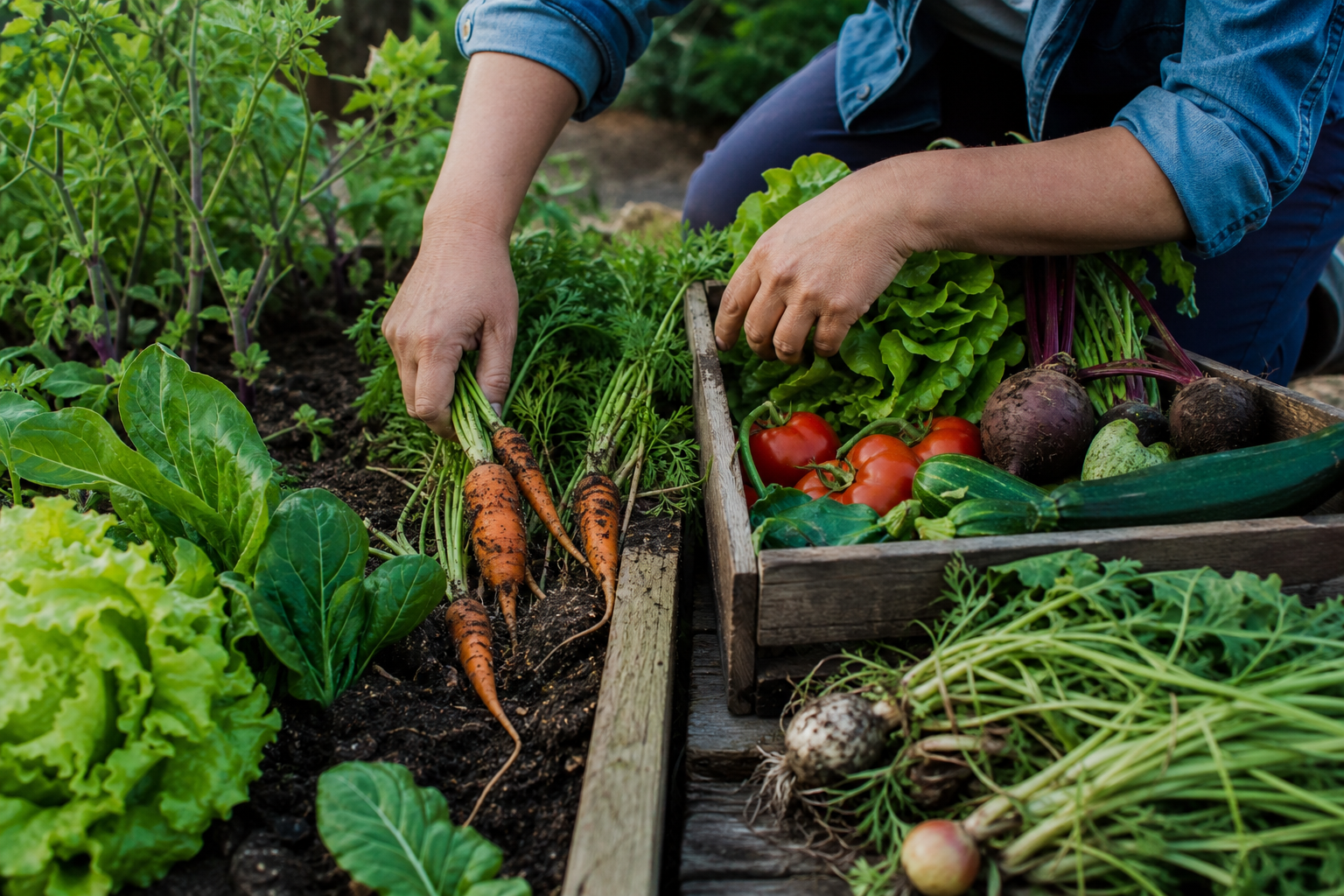
Start with a Garden Plan
A successful garden begins before the first seed enters the soil. Taking time to observe your outdoor space and define your goals can prevent common beginner mistakes, such as planting sun-loving vegetables in shade or choosing crops that outgrow their beds. Decide whether you want to grow vegetables, herbs, flowers, native plants, or a combination of all three. A small, well-managed garden is usually more rewarding than an oversized plot that becomes difficult to maintain.
Sketch your garden area, noting existing trees, fences, paths, water sources, and sunny spots. Most fruiting vegetables, including tomatoes, peppers, squash, and beans, need at least six to eight hours of direct sunlight daily. Leafy greens, such as lettuce, spinach, and kale, can tolerate partial shade, especially in warm climates. Keep taller plants on the north side of beds when possible so they do not block light from shorter crops.
Choose the Right Location
Sunlight is important, but it is not the only factor in choosing a garden site. Look for a location that is easy to access, close to a water supply, and protected from harsh winds. Gardens placed near the house are more likely to be watered, weeded, and harvested regularly. Avoid low areas where water collects after rain, since soggy soil can cause roots to rot and encourage disease.
- Sun: Aim for six or more hours of direct sun for most vegetables.
- Water: Choose a site within easy reach of a hose, rain barrel, or irrigation system.
- Drainage: Select ground that drains well after rain.
- Access: Leave room for paths so you can reach plants without stepping on the soil.
- Protection: Consider fencing or netting if deer, rabbits, birds, or pets are common visitors.
Build Healthy Soil First
Soil is the foundation of every garden. Healthy soil holds moisture without becoming waterlogged, provides nutrients, and contains beneficial organisms that support plant roots. Before planting, remove large weeds, rocks, and debris. Loosen compacted ground with a garden fork or broadfork rather than repeatedly turning it over with a shovel. Excessive digging can disrupt soil structure and beneficial life.
Improve ordinary garden soil by adding compost. Compost supplies organic matter that helps sandy soil retain water and helps clay soil drain more freely. Spread a layer two to three inches deep over the bed and gently work it into the upper few inches of soil. If possible, use a soil test to learn your soil’s pH and nutrient levels. Most garden plants prefer a slightly acidic to neutral pH, generally between 6.0 and 7.0.
Raised Beds and Containers
Raised beds are useful where native soil is poor, drainage is limited, or mobility is a concern. They warm quickly in spring and can be filled with a quality blend of topsoil and compost. Containers are another excellent option for patios, balconies, and small yards. Use pots with drainage holes and a lightweight potting mix rather than soil taken directly from the ground.
Select Beginner-Friendly Plants
Choose plants that suit your climate, season, and available space. Check your local frost dates to determine when it is safe to plant warm-season crops outdoors. Cool-season plants can often be sown in early spring or late summer, while warm-season crops should be planted after the danger of frost has passed.
For a first vegetable garden, start with dependable crops that produce generously without demanding advanced care. Radishes, bush beans, lettuce, zucchini, cherry tomatoes, basil, marigolds, and sunflowers are popular choices. Buy healthy seedlings for plants that take longer to mature, such as tomatoes and peppers, while sowing quick crops like beans and radishes directly in the garden.
- For small spaces: Lettuce, herbs, radishes, dwarf tomatoes, and pole beans.
- For sunny beds: Tomatoes, peppers, cucumbers, squash, and basil.
- For cooler weather: Peas, kale, spinach, carrots, and broccoli.
- For pollinators: Zinnias, cosmos, coneflowers, lavender, and native wildflowers.
Plant with Proper Spacing
It can be tempting to crowd seedlings into every open inch, but plants need airflow, light, and root room to thrive. Follow the spacing information on seed packets and plant labels. Proper spacing lowers the risk of fungal diseases and makes watering, harvesting, and weeding easier. If using raised beds, consider planting in blocks rather than long rows, but still leave enough space between mature plants.
Plant seeds at the recommended depth, usually two to three times the seed’s diameter. Tiny seeds often need only a light covering of soil, while larger seeds, such as beans and peas, are planted deeper. Water gently after planting to settle the soil without washing seeds away.
Water Deeply and Consistently
New gardens need regular attention, especially during dry weather. Most plants benefit from deep, less frequent watering rather than shallow daily sprinkling. Deep watering encourages roots to grow downward, making plants stronger and more drought-tolerant. Water at the base of plants in the early morning whenever possible. This reduces evaporation and keeps leaves dry, which can help limit disease.
A layer of organic mulch, such as shredded leaves, straw, or untreated wood chips, helps conserve moisture, suppress weeds, and moderate soil temperature. Keep mulch a few inches away from stems to prevent rot and discourage pests from hiding directly against plants.
Maintain Your Garden Through the Season
Gardening is a routine of small tasks rather than occasional major projects. Walk through the garden several times each week to check moisture levels, pull young weeds, inspect leaves for insects, and harvest ripe produce. Catching problems early is easier than trying to solve them after they spread.
Use an integrated approach to pests: identify the issue first, encourage beneficial insects, remove damaged leaves, and hand-pick larger pests when practical. Avoid using broad-spectrum pesticides unless absolutely necessary, since they can harm pollinators and helpful predators. Rotate crop families from year to year when possible, especially tomatoes, peppers, squash, and brassicas, to reduce recurring soil-borne problems.
Learn from Every Season
No garden is perfect, and every growing season teaches something useful. Keep simple notes on what you planted, when you planted it, which varieties performed well, and where pests or disease appeared. Celebrate small wins, whether it is your first homegrown tomato, a vase of flowers, or a bed that needed fewer weeds than last year. With healthy soil, thoughtful planting, and consistent care, gardening becomes an enjoyable outdoor habit that improves with every season.