
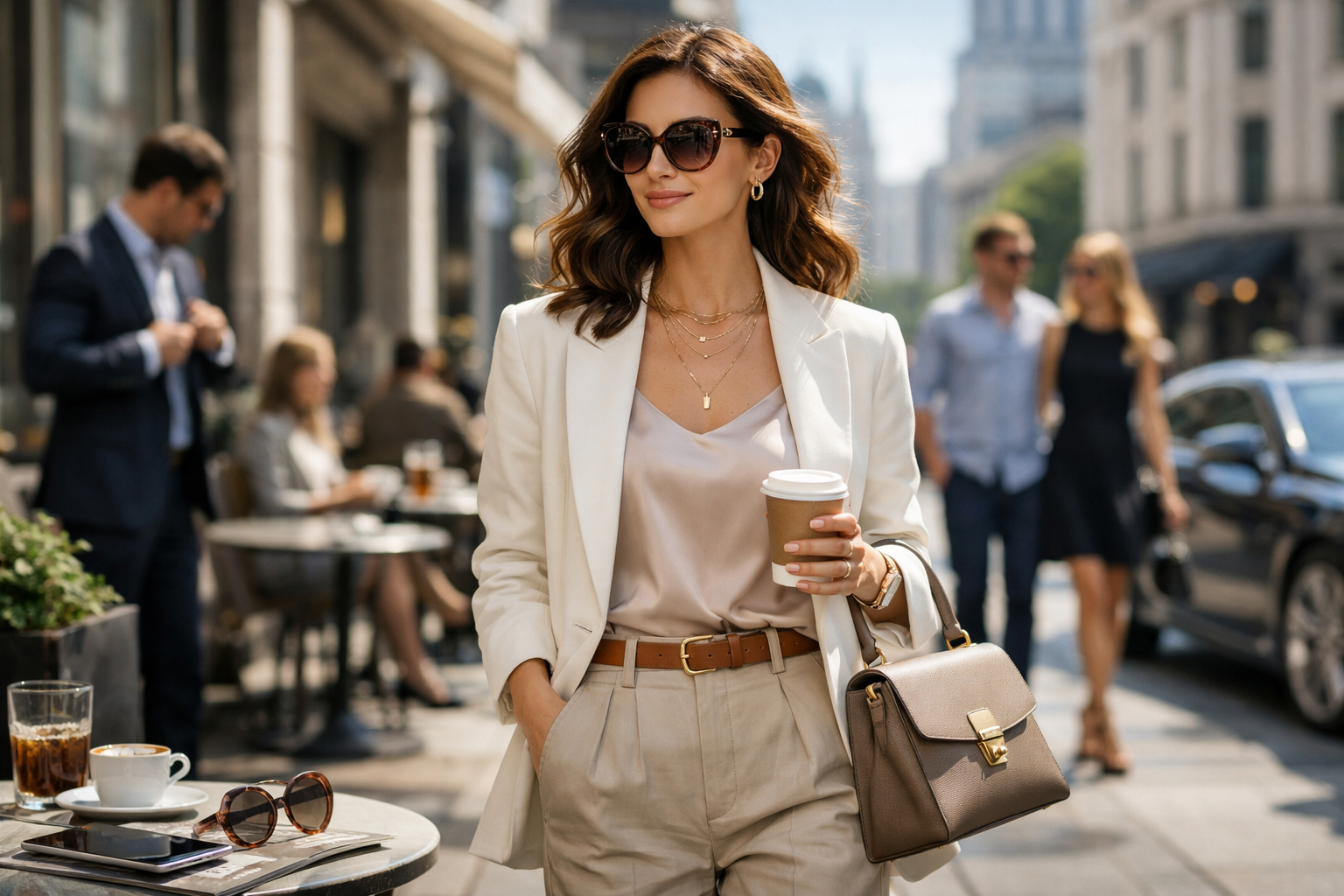
Fashion & Style as a Lifestyle Choice
Fashion is often viewed as something seasonal, trend-driven, or reserved for special occasions, but in reality, it plays a much deeper role in everyday living. The way people dress influences how they feel, how they are perceived, and how they move through the world. Style is not simply about wearing expensive labels or following every trend; it is about creating a visual language that reflects personality, values, and lifestyle.
In modern life, fashion intersects with work, wellness, social life, travel, and even productivity. A well-curated wardrobe can reduce decision fatigue, increase confidence, and make daily routines more efficient. Rather than being superficial, personal style can become a practical tool for self-expression and intentional living.
The Difference Between Fashion and Personal Style
Although the words are often used interchangeably, fashion and style are not exactly the same. Fashion refers to the prevailing trends, designs, and influences that shape what is popular at a given time. Personal style, on the other hand, is the unique way an individual interprets and wears clothing, accessories, and grooming choices.
Someone may enjoy fashion without feeling compelled to adopt every trend. Personal style develops gradually through experience, experimentation, and self-awareness. It is shaped by lifestyle needs, body comfort, profession, climate, and cultural influences. While fashion changes quickly, authentic style tends to feel more stable and recognizable.
Why Personal Style Matters
-
It helps communicate identity without words.
-
It supports confidence in professional and social settings.
-
It encourages more mindful shopping habits.
-
It creates consistency in everyday presentation.
-
It allows comfort and function to coexist with aesthetic appeal.
Building a Wardrobe That Fits Real Life
A stylish wardrobe is most effective when it reflects the realities of daily life. For some, that may mean polished officewear with versatile layers. For others, it may involve comfortable casual pieces that transition from errands to dinner plans. The key is to align clothing choices with routine, environment, and personal priorities.
Instead of focusing only on quantity, many style-conscious people now prioritize quality, fit, and versatility. A smaller wardrobe filled with well-made items that mix and match easily can be more useful than an overflowing closet of impulse purchases. Neutral basics, reliable outerwear, flattering denim, breathable shirts, and classic shoes often form the foundation of a practical yet stylish collection.
Core Elements of a Functional Stylish Wardrobe
-
Well-fitting basics: T-shirts, trousers, button-downs, and knitwear that feel comfortable and look polished.
-
Layering pieces: Blazers, cardigans, jackets, and coats that adapt to changing weather and occasions.
-
Statement items: A patterned dress, bold handbag, structured coat, or distinctive shoes that add personality.
-
Versatile footwear: Options for work, casual outings, and formal events.
-
Thoughtful accessories: Belts, jewelry, scarves, and watches that complete an outfit without overwhelming it.
The Rise of Comfort-Conscious Style
One of the most notable shifts in contemporary fashion is the growing emphasis on comfort. As lifestyles become more flexible and mobile, people are increasingly drawn to clothing that allows freedom of movement while still appearing refined. This has influenced everything from tailoring and fabric choices to footwear and everyday silhouettes.
Comfort-conscious style does not mean sacrificing sophistication. Soft suiting, elevated loungewear, premium sneakers, relaxed tailoring, and breathable fabrics have redefined what modern dressing looks like. Today, style is often measured not just by appearance, but by how seamlessly clothing fits into a dynamic lifestyle.
Sustainable Fashion and Mindful Consumption
Lifestyle and fashion are also becoming more closely connected through sustainability. Consumers are paying greater attention to where clothing comes from, how it is made, and how long it will last. This shift encourages a more intentional relationship with shopping and ownership.
Mindful fashion choices may include buying fewer but better-quality pieces, supporting ethical brands, choosing natural or recycled fabrics, repairing garments, or exploring secondhand options. Sustainable style is not about perfection; it is about developing habits that reduce waste and promote longevity.
Simple Ways to Dress More Sustainably
-
Invest in timeless pieces instead of short-lived trends.
-
Choose durable fabrics and quality construction.
-
Shop vintage, resale, or local designers when possible.
-
Care for clothing properly to extend its lifespan.
-
Donate, resell, or repurpose items no longer in use.
Style, Confidence, and Everyday Presence
What people wear can have a real psychological effect. Dressing with intention often leads to a stronger sense of self-assurance and readiness. Whether preparing for a job interview, a creative meeting, a social gathering, or simply a productive day, clothing can influence mood and mindset.
This connection between appearance and confidence is not about dressing to impress others at all times. Instead, it is about wearing clothing that feels aligned with who you are and how you want to show up. Even small details—such as a favorite jacket, a polished pair of shoes, or a color that complements your features—can make a meaningful difference in self-perception.
Adapting Style Through Life Stages
Fashion and style naturally evolve over time. Changes in career, age, responsibilities, body shape, or personal taste often lead to new wardrobe needs. Rather than resisting this evolution, many people find that style becomes more refined and authentic with experience.
A student, entrepreneur, parent, traveler, or retiree may all define style differently, and each perspective is valid. The most enduring approach to fashion is one that adapts gracefully, allowing room for experimentation while staying rooted in comfort and individuality.
Conclusion
Lifestyle, fashion, and style are deeply interconnected. Clothing is not merely decorative; it is part of how people organize their routines, express identity, and navigate daily experiences. A thoughtful approach to style can simplify decisions, support confidence, and encourage more mindful consumption.
Ultimately, the best fashion choices are not always the most dramatic or trend-focused. They are the ones that reflect real life, feel authentic, and help individuals present themselves with ease and purpose. When style is approached as an extension of lifestyle, it becomes less about imitation and more about living well.