
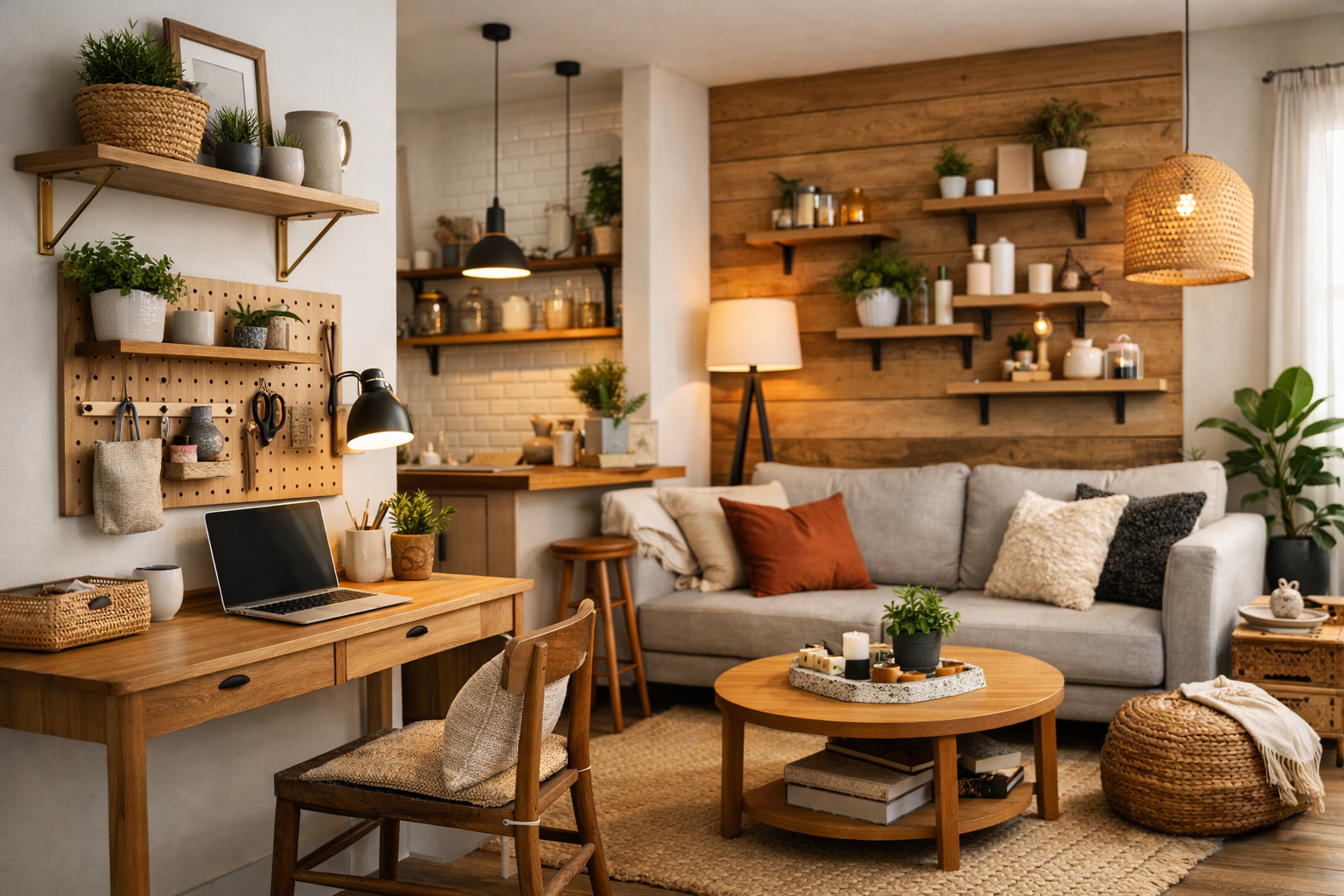
Why Interior Design Matters in Home Improvement
Interior design is more than choosing attractive furniture or matching paint colors. It shapes how a home feels, functions, and supports everyday life. A well-designed room can look larger, feel calmer, improve storage, and make daily routines easier. For homeowners and renters alike, DIY interior design offers a practical way to refresh living spaces without the cost of hiring a full design team.
The best home improvement projects often begin with simple questions: How is the room used? What feels cluttered or awkward? Where is light coming from? When you understand a room’s purpose and limitations, you can make design choices that are both beautiful and useful.
Start with a Clear Vision
Before buying decor or starting any project, define the goal of the space. A living room may need to support relaxing, entertaining, and storage. A bedroom may need to feel restful while also accommodating a work corner. Clear goals help you avoid random purchases and create a more cohesive result.
Create a Simple Design Plan
-
Measure the room and note windows, doors, outlets, and built-in features.
-
Choose a style direction, such as modern, rustic, Scandinavian, classic, or eclectic.
-
Select a color palette with one main color, one secondary color, and one or two accent tones.
-
Set a realistic budget for paint, lighting, textiles, storage, and decor.
-
List DIY projects in order of impact, starting with the most visible improvements.
This planning stage saves time and makes it easier to coordinate materials, finishes, and furniture.
High-Impact DIY Upgrades for Any Room
1. Paint for an Instant Refresh
Paint remains one of the most effective and affordable home improvement tools. Light neutral shades can make a room feel open and airy, while deeper colors can add warmth, contrast, or drama. Accent walls, painted ceilings, and color-blocking techniques can also create architectural interest in plain rooms.
For a polished result, prepare surfaces properly, test swatches in different lighting, and use finishes that match the room’s needs. For example, washable satin or eggshell finishes often work well in busy areas.
2. Improve Lighting Layers
Good interior design depends heavily on lighting. Many homes rely on a single overhead fixture, but layered lighting creates depth and flexibility. Combine ambient lighting for general brightness, task lighting for reading or work, and accent lighting to highlight decor or architectural details.
DIY-friendly lighting upgrades include replacing outdated lampshades, installing plug-in wall sconces, updating pendant lights, or adding LED strip lighting under shelves and cabinets. Warm bulbs usually make living areas feel more inviting, while cooler tones can suit task-heavy spaces.
3. Update Hardware and Fixtures
Small details can change the entire look of a room. Swapping cabinet handles, drawer pulls, faucets, curtain rods, switch plates, or door hardware is a manageable DIY project with immediate visual payoff. Matte black, brushed brass, and aged bronze finishes remain popular because they work across many styles.
Consistency matters. Repeating one or two finishes throughout a room helps create a more intentional design.
Use Layout to Improve Function
Furniture arrangement is one of the most overlooked parts of home interior design. Even beautiful furniture can feel wrong if the layout interrupts movement or makes conversation difficult. Start by identifying the focal point of the room, such as a window, fireplace, bed, or media console, then build the arrangement around it.
Layout Tips That Make a Difference
-
Leave clear walking paths and avoid blocking natural light.
-
Use rugs to define zones in open-plan spaces.
-
Float furniture away from walls when possible to create a more balanced layout.
-
Choose multipurpose pieces like storage benches, nesting tables, or ottomans.
-
Scale furniture to the room so it does not feel crowded or undersized.
Sometimes the best upgrade costs nothing at all. Rearranging existing furniture can improve comfort and flow immediately.
Bring Personality Through Texture and Decor
A room feels finished when it includes texture, contrast, and personal elements. Soft furnishings such as curtains, throws, cushions, and rugs help balance hard surfaces and add warmth. Natural materials like wood, linen, cotton, jute, and stone create visual depth and make interiors feel more grounded.
Wall art, mirrors, books, ceramics, and plants can all contribute character, but restraint is important. Instead of filling every surface, choose meaningful pieces and group them thoughtfully. A mirror can also reflect light and make smaller rooms appear larger.
Easy DIY Decor Projects
-
Create a gallery wall with matching frames.
-
Refinish an old side table or dresser with paint or stain.
-
Sew or hem simple curtain panels for a custom look.
-
Build open shelving for display and storage.
-
Make decorative storage boxes to reduce visible clutter.
Storage as a Design Feature
Clutter can undermine even the most stylish room. Smart storage is essential in successful home improvement and interior design. The goal is not just to hide belongings, but to integrate storage in a way that supports the room’s overall look.
Consider vertical shelving, under-bed storage, baskets, wall hooks, and furniture with hidden compartments. In kitchens and bathrooms, drawer organizers and cabinet risers can significantly improve efficiency. In living rooms, built-ins or coordinated storage units can add structure and visual calm.
When storage looks intentional, the room feels cleaner and more spacious.
Design Room by Room for Best Results
Living Room
Focus on seating comfort, layered lighting, and a balanced layout. Add textiles and a rug to soften the space and define the conversation area.
Bedroom
Prioritize restful colors, blackout curtains, soft bedding, and reduced clutter. Symmetry with bedside tables and lighting often creates a calm atmosphere.
Kitchen
Small DIY improvements like painting cabinets, replacing backsplash panels, updating hardware, or organizing open shelving can make the kitchen feel new.
Bathroom
Use mirrors, improved lighting, coordinated accessories, and moisture-friendly paint to create a cleaner and more polished look.
Final Thoughts
Home interior design works best when it blends style with practical living. You do not need to complete a major renovation to see meaningful change. Strategic DIY updates such as paint, lighting, hardware, storage, and layout adjustments can dramatically improve how your home looks and feels.
Start small, plan carefully, and focus on changes that support everyday comfort. Over time, these thoughtful improvements can turn ordinary rooms into spaces that feel personal, functional, and beautifully designed.