
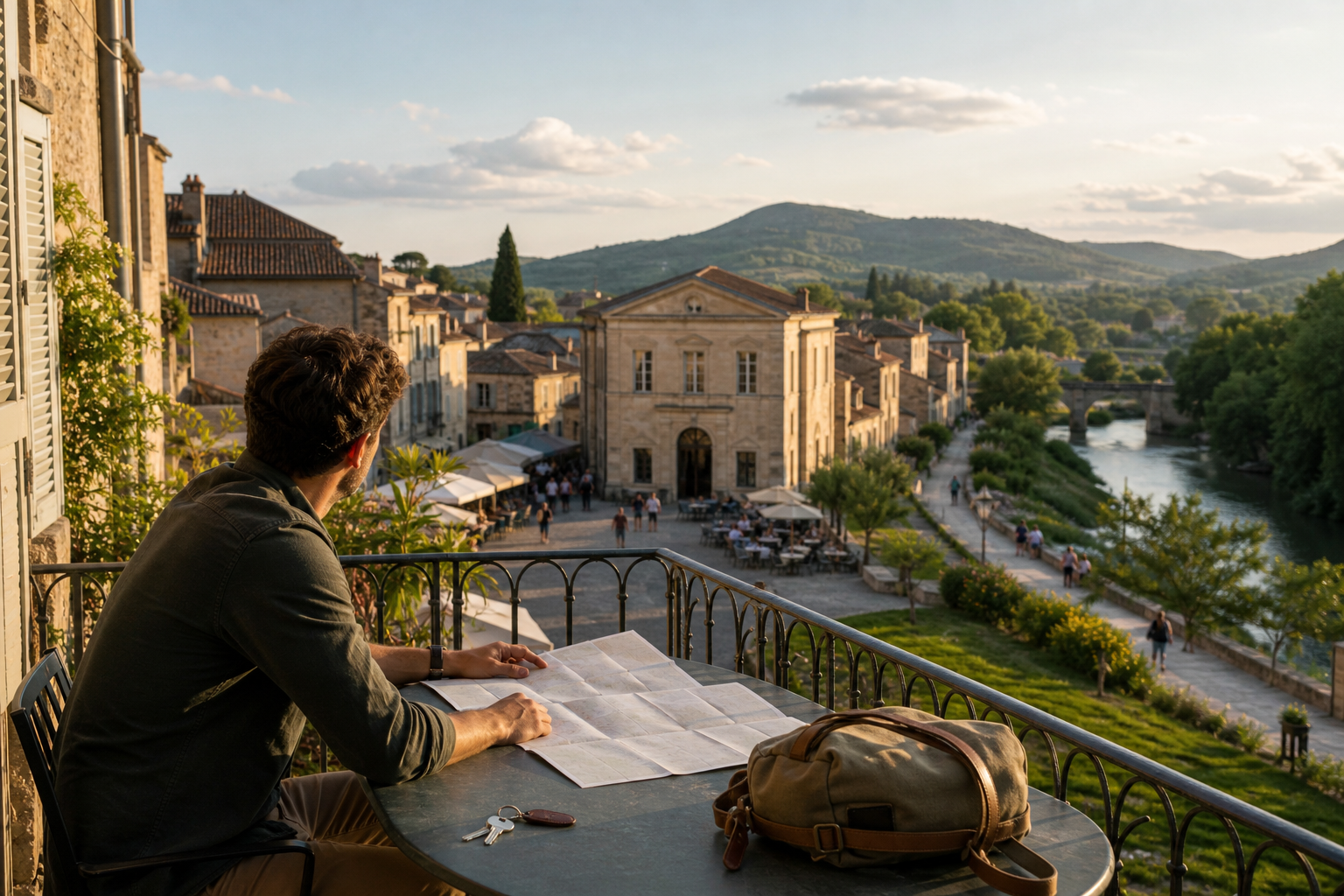
A short trip can feel surprisingly thin when most of it is spent checking out, dragging bags, waiting for transport, and learning a new neighborhood just in time to leave it. The usual response is to plan faster: add an earlier train, another hotel, and more timed entries. That can increase the list of places visited while reducing the time actually available to experience any of them.
The one-base weekend takes the opposite approach. Choose one well-positioned place to sleep, define a compact activity radius, and build several distinct experiences around that center. The method does not demand that travelers stay still. It removes repeated relocation so curiosity has room to work. A market morning, a museum, a riverside walk, a neighborhood meal, and an unplanned discovery can create a rich trip when they share one practical base.
Define Richness Before You Choose a Destination
A rich weekend is not the same as a crowded itinerary. Decide what you want the trip to contain: perhaps one absorbing cultural visit, time outdoors, a memorable meal, a local ritual, and genuine rest. These are experience types rather than famous names. They make it possible to compare destinations by fit instead of by the number of attractions that can be pinned to a map.
Write a one-sentence trip intention. “I want a restorative weekend with architecture, long lunches, and an easy green walk” is more useful than “see everything.” It guides tradeoffs when opening hours conflict or weather changes. Two travelers should write their versions separately, then identify the shared core and one priority for each person.
Calculate the True Weekend
Calendar time exaggerates usable travel time. Begin with the door-to-door journey: leaving home, reaching the terminal, waiting, traveling, making the final transfer, and checking in. Repeat the calculation for the return and include a sensible buffer. What remains is the real weekend. A destination with a shorter headline journey can still consume more time if the last connection is rare or unreliable.
Protect the final evening and next morning from avoidable damage. A punishingly late return may turn a pleasant trip into a difficult workweek. When comparing options, count not only hours away but also attention, sleep, and recovery. The best destination is often the one that begins quickly after arrival and releases you cleanly at departure.
Choose a Base by Daily Friction
A low room price can be expensive in time if every outing begins with a long transfer. Evaluate a base by the trips you will repeat: arrival, morning start, evening return, and departure. Look for a location where several priorities sit within a comfortable walk or one simple transit line. A quiet edge street near an active district can offer both access and sleep.
Check practical details that shape the whole weekend: luggage storage, check-in window, stairs or lifts, nighttime noise, breakfast timing, and transport frequency on the return day. For groups, confirm the actual bed arrangement rather than relying on a room label. For accessibility needs, ask precise questions about the route from street to room and from the base to planned activities.
Draw a Radius With Time, Not Distance
A map radius can mislead. A short distance across a river, steep hill, restricted road, or infrequent transit line may take longer than a farther place on a direct route. Build the activity radius using realistic door-to-door time. Include the walk to the stop, likely waiting, transfers, and the final approach, not just scheduled motion.
For most one-base weekends, create three bands. The immediate band contains breakfast, dinner, and a pleasant evening walk. The easy band holds the main cultural and outdoor choices. The stretch band contains one optional excursion that earns its additional travel. If every priority falls in the stretch band, the chosen base is not serving the trip.
Use Anchors and Satellites
Give each full day one anchor: the experience you would protect if other plans disappeared. It might be a gallery, a guided walk, a long hike, a performance, or a market at its liveliest hour. Then surround it with satellites that require little commitment, such as a bakery, viewpoint, small exhibition, public garden, or neighborhood loop.
This structure keeps the day coherent. The anchor supplies purpose; satellites supply flexibility. If the anchor takes longer because it is wonderful, the trip succeeds. If it closes unexpectedly, nearby satellites prevent the day from collapsing. Avoid two reservations at opposite ends of the radius unless the journey between them is itself part of the experience.
Design the Arrival as a Soft Opening
Arrival is a transition, not a miniature sightseeing day. Give it three jobs: reach the base, learn the immediate neighborhood, and eat without a complicated decision. A short orientation walk can locate the nearest useful transit stop, breakfast option, pharmacy, and the street that feels comfortable after dark.
Keep one appealing but optional activity for early arrivals. A riverside stroll, small museum, or cafe ritual creates a sense of beginning without making a delayed train feel catastrophic. Put essential items in a day bag so a late room or stored suitcase does not stop the afternoon. The first evening should leave energy for the main day rather than borrow from it.
Build Neighborhood Loops
Instead of treating the city as isolated points, connect nearby places into loops that begin and end at the base or a direct transit stop. A strong loop alternates modes and intensity: indoor attention, outdoor movement, a seated pause, and room for browsing. It also avoids needless backtracking.
Name loops by mood rather than obligation. A “rain loop” might join an arcade, museum, covered market, and tea room. A “slow morning loop” might include a bakery, park, bookshop, and local lunch. Once prepared, the loops become options rather than commands. Choose the one that fits the weather, energy, and opening hours on the day.
Let Opening Hours Shape the Skeleton
Short trips are vulnerable to one closed door. Check current hours, reservation rules, seasonal schedules, holidays, and last admission for the anchor experiences. Confirm again shortly before departure because temporary changes happen. If a visit requires a timed entry, give it enough margin that one delayed bus does not force a sprint.
Do not schedule every hour just because hours are known. Fix only the scarce elements, then leave generous space around them. A reservation at midday divides the day more awkwardly than one near the beginning or end. Whenever possible, place fixed commitments at the edges and keep the middle available for the place itself.
Create a Weather Swap, Not a Separate Trip
A useful weather plan preserves the intention of the trip. If the aim is local history, an outdoor heritage walk might swap with a small museum and covered market. If the aim is movement, a storm may call for a shorter sheltered route rather than an unrelated day of shopping. Prepare one indoor-heavy loop and one outdoor-heavy loop within the same radius.
Check forecasts and official local alerts close to travel, but avoid repeatedly redesigning the weekend around uncertain predictions. Pack for the most likely range, identify the decision time, and make the swap once. The one-base structure helps because wet clothes, extra layers, and a short recovery break are never far away.
Plan Food by Decision Load
Food can become either a highlight or a recurring negotiation. Choose one meal worth planning, then create several flexible categories near the base: quick breakfast, dependable late option, picnic supplies, and an unhurried local meal. This prevents hunger from turning every choice into research.
For dietary needs, communicate specific restrictions and cross-contact concerns in advance where necessary. Keep a simple backup snack, especially when traveling on a holiday or outside peak hours. Resist crossing the entire destination for every recommendation. A modest meal in the right neighborhood can preserve an hour that becomes a sunset walk, conversation, or rest.
Pack for Repetition
One base makes light packing especially rewarding. Build a small clothing system around repeatable layers and one pair of proven walking shoes. Add weather protection, required medication, a charging setup, and a compact day bag. The goal is not minimalist performance; it is removing the burden of managing possessions during a short window.
Keep travel documents, essential medication, a payment backup, and the first evening’s needs accessible. Save key reservation details and the lodging address in a form available without a connection. If traveling internationally, check current entry requirements, local laws, document validity, insurance terms, and emergency information for the specific destination. Leave a basic itinerary with a trusted person.
Budget by Category and Moment
A weekend budget is easier to control when split into travel, base, booked anchors, daily food, local movement, and a contingency. Pay attention to the expensive moments: arrival transfers, late meals near transport hubs, luggage fees, and spontaneous rides after an overextended day. These are often created by friction rather than desire.
Choose deliberate splurges. A central room may cost more but save multiple fares and hours. A special dinner may matter more than three rushed attractions. Record the fixed commitments before departure and give the remaining amount a daily shape. The purpose is not to eliminate spontaneity; it is to make spontaneous choices without quiet anxiety.
Match the Method to the Travelers
Solo travelers can use the base as a reliable reset point and share their general plan with someone they trust. Couples should protect a little independent time if their energy or interests differ. Families may benefit from a playground, pool, or open square in the immediate band. Multigenerational groups should prioritize seating, toilets, gradients, and predictable meal times.
Accessibility is not an add-on to the finished itinerary. It determines the base, routes, pace, and backup choices from the start. Ask venues and accommodations about the exact feature required, because broad labels can hide important differences. Plan recovery time for fatigue, sensory load, pain, or medication routines. A rich weekend is one people can actually inhabit.
Use a Simple Forty-Eight-Hour Pattern
On the first evening, settle in, walk the immediate band, eat nearby, and stop early enough to sleep well. On the main morning, visit the anchor while attention is fresh. Follow with a long lunch or quiet pause, then choose one satellite loop. Return to the base before dinner if a reset would make the evening more enjoyable.
On the final morning, choose an experience that cannot create departure stress: a market, park, neighborhood breakfast, or small collection close to the base. Check out once, store luggage if appropriate, and keep the last hours geographically simple. Set a firm turn-back time based on the real journey to the departure point, not on optimism.
Build Decision Rules for the Day
Decision rules prevent the group from spending the trip debating. If a queue exceeds an agreed limit, use the nearest satellite. If heavy rain begins before the outdoor anchor, switch to the rain loop. If energy drops below the level needed for the next plan, return to the base for a timed rest. If a reservation is missed, do not chase the schedule across town.
These rules are not rigid. They protect the intention from predictable pressure. Make them before anyone is tired, hungry, or disappointed. A good rule converts a setback into a known branch. The weekend can change shape without feeling as though it has failed.
Leave Empty Space on Purpose
The memory of a place often forms in unscheduled minutes: watching a square wake up, hearing music from a side street, returning to a shop, or staying over coffee because the conversation is good. Empty space gives these moments somewhere to happen. Without it, every discovery becomes a threat to the next booking.
Reserve at least one open block long enough to matter. Do not label it “free time” and secretly fill it with overflow. Use it to follow curiosity, repeat a favorite place, rest, or do nothing. A trip is not less successful because an attraction remained unseen. Restraint is what allows the visited places to become distinct.
Close the Weekend Gently
Before leaving the base for the last time, check the room, confirm the departure route, and place required items where they are immediately reachable. Eat and hydrate before the longest travel segment. Keep a buffer for local disruption, platform changes, security, or traffic. The final hours should narrow toward home rather than expand into one last gamble.
After returning, note three things: what earned its time, what created friction, and what you would repeat. This tiny review improves the next weekend more than a perfect archive of receipts. Perhaps the radius was too large, the base was ideal, or the second booking was unnecessary. Capture the lesson while the experience is fresh.
One Base Creates More Presence
The one-base weekend is not a rule against day trips or ambition. It is a test: does each additional move add an experience worth the time, coordination, and fatigue it consumes? When the answer is no, staying centered is not a compromise. It is a better allocation of a scarce weekend.
Choose the base carefully, protect one anchor, prepare flexible loops, and let the rest respond to conditions. You may return with fewer place names, but they will carry more texture: the morning route you learned, the table you revisited, the view that changed with the light. A short trip feels rich when time belongs to the traveler rather than to the transfer.