
Heating Maintenance Is More Than a Winter Task
Central heating tends to receive the most attention when temperatures drop, but keeping the system in good condition is a year-round responsibility. Boilers, radiators, controls, valves, and pipework all contribute to the comfort of a home, and problems in any one of these areas can affect the performance of the entire system.
For homeowners and landlords in Chester, planning ahead can be particularly useful. Rather than searching for help only when a boiler stops working, property owners can become familiar with the maintenance and repair services available locally. This report on professional gas and central heating services in Chester offers additional information about the type of heating support available in the area.
A preventative approach does not mean constantly working on the heating system. In most homes, it simply involves arranging appropriate servicing, noticing changes in performance, carrying out safe basic checks, and seeking qualified assistance when something does not seem right.
Give the Boiler Regular Professional Attention
The boiler plays a central role in most gas-heated homes, supplying heat to radiators and, in many systems, providing hot water as well. Because it performs so much work over the course of a year, periodic professional attention is worthwhile.
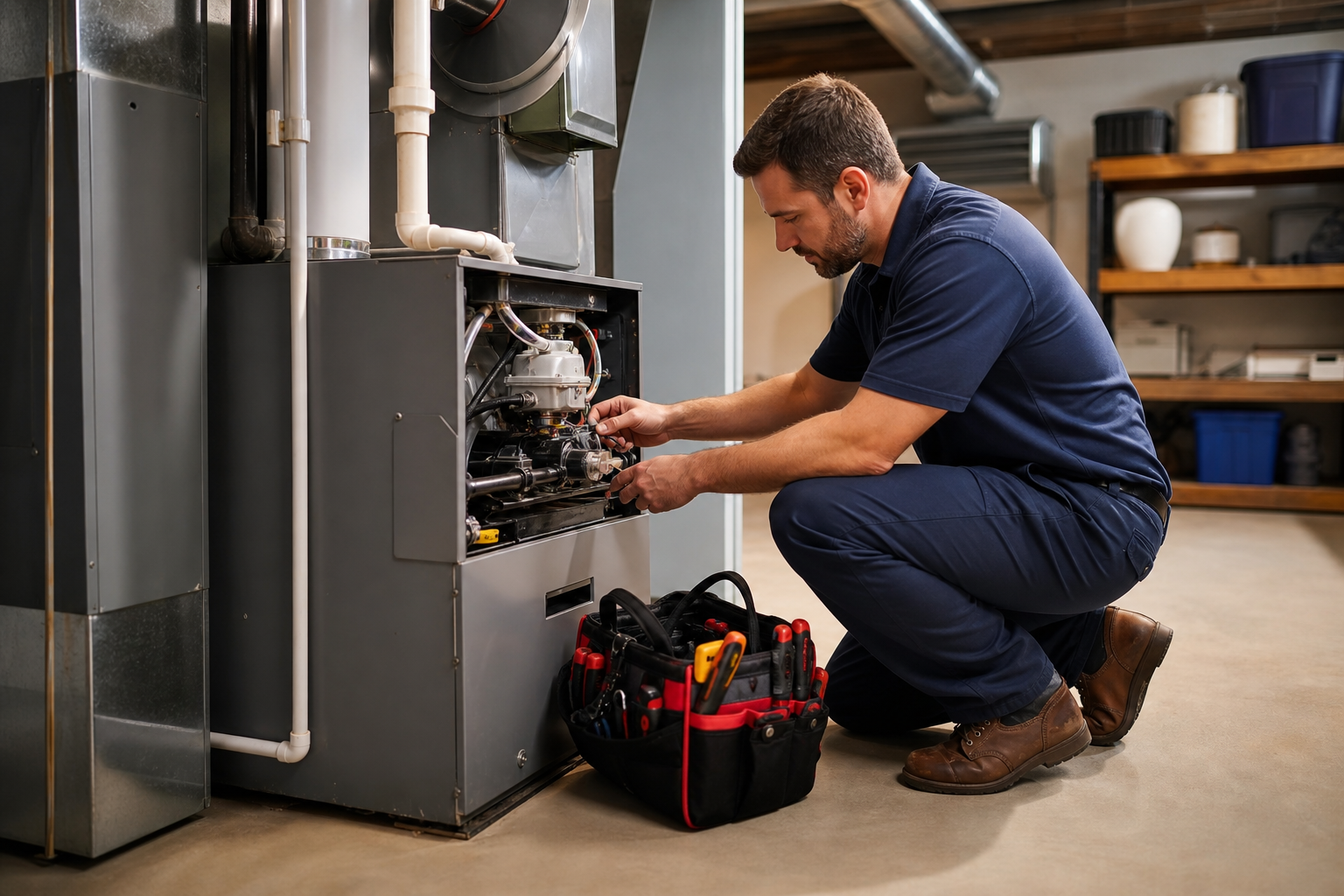
Regular servicing gives an appropriately qualified engineer an opportunity to examine the appliance and check its general condition. It may also identify developing problems before they interfere with heating or hot-water availability.
Waiting until the middle of winter to arrange routine maintenance is not always ideal. Spring and summer can be convenient times to book a boiler service because households are generally less dependent on continuous heating. If repairs or additional maintenance are recommended, there is then time to complete them before colder weather arrives.
A Few Things to Confirm Before a Service
Before allowing someone to carry out gas-related work, homeowners should check:
- That the engineer holds the appropriate current registration and qualifications.
- That they are qualified for the type of appliance involved.
- What work is included in the service or quoted repair.
- Whether any additional work will be discussed before it is undertaken.
- What documentation will be provided afterwards.
Clear communication is an important part of professional heating work. Property owners should understand what has been inspected, whether any problems have been identified, and what action is recommended.
Learn What Your Heating System Normally Sounds and Feels Like
Homeowners do not need technical knowledge to notice when their heating begins behaving differently. Becoming familiar with normal operation makes unusual changes easier to identify.
For example, radiators may previously have heated evenly but start taking longer to warm up. A boiler that once operated quietly may begin producing unfamiliar sounds. Hot water may become inconsistent, or system pressure may need to be restored more frequently.
A single minor change is not necessarily evidence of a serious fault, but recurring symptoms should not be ignored.
Changes Worth Paying Attention To
Possible warning signs include:
- Radiators heating unevenly.
- Rooms remaining cold despite the heating being switched on.
- Repeated loss of boiler pressure.
- Heating switching off without an obvious reason.
- Hot water taking longer to arrive or changing temperature unexpectedly.
- Banging, knocking, gurgling, or whistling sounds.
- Moisture or water around pipes, valves, or radiators.
- Corrosion on visible heating components.
- Unexpected increases in energy consumption.
Some of these symptoms can have several possible causes. An experienced heating professional can assess the system and determine whether adjustment, maintenance, or repair is required.
Know Which Jobs Are Safe for Homeowners
There are useful heating-related tasks homeowners can perform themselves. Checking thermostats, reviewing timer settings, keeping radiators unobstructed, and visually inspecting accessible pipework are examples of sensible routine checks.
Certain radiator issues may also have straightforward solutions. For example, trapped air can sometimes cause a radiator to remain cold near the top, and bleeding the radiator may restore normal operation.
However, gas appliances themselves require a very different approach.
Boiler internals, gas connections, and related components should not be dismantled or repaired as a DIY project. Gas work should be left to a properly qualified professional because mistakes can create significant safety risks.
If gas is suspected to be leaking or a carbon monoxide alarm activates, normal maintenance advice no longer applies. Occupants should follow official emergency instructions and contact the appropriate emergency or gas network service without delay.
Look for Heat Loss Around the Property
Heating performance is influenced not only by the condition of the boiler but also by how well the property retains warmth.
A heating system may be functioning correctly while still struggling to maintain comfortable temperatures if substantial heat is escaping through the building. Common areas for heat loss can include loft spaces, windows, doors, poorly insulated pipes, and gaps around frames.
Relatively simple improvements may help, depending on the property. These can include suitable draught-proofing, improving insulation, insulating accessible pipes, and ensuring curtains or furniture do not unnecessarily block radiators.
Improving heat retention can reduce the amount of work the heating system must perform to keep occupied rooms comfortable.
Use Radiators Efficiently
Radiators need sufficient airflow around them to distribute heat effectively. Large furniture placed immediately in front of a radiator can prevent warm air from circulating properly through a room.
Thermostatic radiator valves, where installed, can also help households manage temperatures in individual rooms. Spaces used frequently may need more heat than rooms that are occupied only occasionally.
Radiator performance can also provide clues about wider system problems. If multiple radiators struggle to heat properly, require frequent bleeding, or develop recurring cold areas, the issue may extend beyond an individual radiator.
In those situations, investigating the underlying cause may be more effective than repeatedly applying temporary fixes.
Review Thermostats, Timers, and Heating Schedules
Heating controls are sometimes configured once and then forgotten for years. Household routines, however, rarely stay exactly the same.
People change jobs, begin working from home, adjust sleeping schedules, or use rooms differently. Heating programmes that once made sense may therefore become inefficient.
Periodically review:
- When the heating switches on and off.
- The temperature set on the main thermostat.
- Individual radiator valve settings.
- Weekend and weekday schedules.
- Smart thermostat programmes, if installed.
The objective is to provide heat when and where it is useful rather than heating the entire property unnecessarily.
Prepare the Heating System Before Winter Arrives
One of the most useful habits is to test the heating before it is urgently needed.
Turning the system on during early autumn gives homeowners an opportunity to check whether the boiler starts correctly and whether radiators throughout the property become warm. Discovering an issue while temperatures are still mild is considerably more convenient than finding it during a particularly cold evening.
This is also a good time to test carbon monoxide alarms according to their manufacturer’s instructions and review whether heating controls are correctly programmed for the colder months.
A Simple Annual Heating Routine
A practical schedule might look like this:
Spring: Check accessible pipes, radiators, and valves after months of regular winter operation.
Summer: Arrange routine boiler servicing and consider insulation or heating-system improvements.
Autumn: Test the complete heating system before regular winter use begins.
Winter: Monitor boiler pressure, hot-water performance, radiator temperatures, and any unusual sounds or behaviour.
Spreading these tasks across the year makes heating maintenance easier to manage.
Keep a Record of Servicing and Repairs
Documentation can be valuable when dealing with heating equipment.
Keep service reports, warranties, repair invoices, appliance information, and details of any components that have been replaced. These records can help future engineers understand what work has already been completed.
They can also be useful when selling a property, dealing with warranty issues, or planning whether an older heating system may eventually require replacement.
Landlords should pay particular attention to documentation because specific gas safety duties and record-keeping requirements apply to rented properties.
Deal With Recurring Problems Rather Than Normalising Them
It can be easy to become accustomed to a small heating problem. A boiler might need resetting every few weeks, one radiator may never become fully warm, or pressure may need regular adjustment.
Although the system continues operating, recurring behaviour often deserves investigation. A temporary solution may restore heating without addressing the reason the problem keeps returning.
Qualified assessment can help distinguish between a minor maintenance issue and something requiring repair or replacement.
For people in and around Chester who require help with boilers, gas appliances, central heating, or related heating work, further information about available services can be found through Daley Gas Group.
A dependable heating system is easier to maintain when homeowners take a planned approach. Regular servicing, sensible checks, effective heating controls, attention to changes in performance, and professional assistance when necessary can all contribute to a warmer and more reliable home.
Instead of treating heating maintenance as an emergency response, making it part of ordinary property care can help households remain better prepared for every season.