
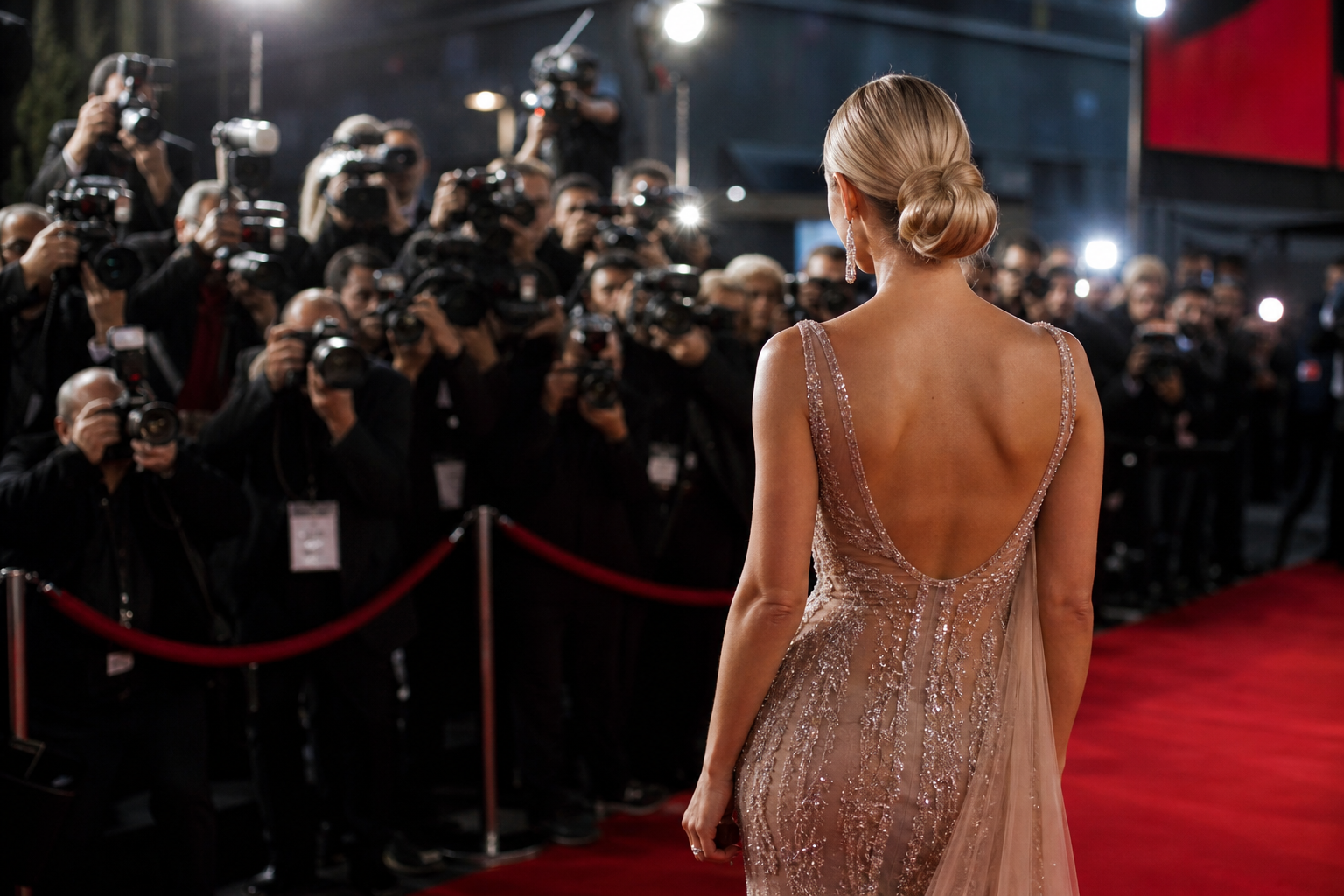
The Expanding World of Celebrity Entertainment
Celebrity culture has always been a powerful part of entertainment, but its reach has changed dramatically. In earlier decades, audiences discovered stars through movie theaters, television interviews, glossy magazines, and award ceremonies. Today, celebrities are available almost constantly through social media, streaming platforms, podcasts, brand campaigns, and live online events. This accessibility has made the relationship between public figures and audiences feel more immediate, personal, and interactive.
Modern celebrities are not simply actors, musicians, athletes, or television personalities. Many have become multimedia brands with business ventures, production companies, beauty lines, fashion labels, charitable foundations, and direct-to-consumer products. Their influence often extends beyond the projects that first made them famous, turning entertainment into a larger conversation about identity, style, entrepreneurship, and cultural relevance.
From Fame to Personal Brand
One of the most significant developments in celebrity entertainment is the rise of the personal brand. A successful public figure now often needs a recognizable voice, visual identity, and point of view. Audiences may follow a celebrity for a hit song or acclaimed performance, but they stay engaged because of behind-the-scenes content, personal stories, humorous posts, advocacy work, or a carefully developed lifestyle image.
This shift has created new opportunities for stars to control their narratives. Rather than relying entirely on studios, television networks, or entertainment publications, celebrities can speak directly to millions of followers. A short video, photo series, livestream, or candid post can generate headlines within hours. At the same time, this direct access requires careful management, because public reactions can be immediate and intense.
Why Authenticity Matters
Audiences are increasingly drawn to celebrities who seem genuine. While polished red-carpet appearances and major promotional campaigns remain important, fans also value vulnerability, humor, and honesty. Many public figures share stories about career struggles, mental health, parenthood, body confidence, creative blocks, or life away from the spotlight. These moments can make stars feel more relatable and can strengthen fan loyalty.
Authenticity does not mean that every aspect of a celebrity’s life must be public. In fact, many of the most respected entertainers balance openness with boundaries. The ability to share selectively while maintaining privacy has become an important skill in a culture that often expects constant access.
Social Media Has Rewritten the Fan Relationship
Social media has transformed fandom from a passive experience into an active community. Fans can comment on posts, create edits, share theories, organize streaming campaigns, and participate in conversations around films, albums, television shows, and celebrity appearances. A single fan-driven trend can help revive an older song, push a television series into wider popularity, or turn a supporting actor into an overnight sensation.
Platforms also allow celebrities to respond to audience enthusiasm in real time. Musicians may preview unreleased tracks, actors may share set photos, and creators may ask followers for feedback. This level of connection makes entertainment feel less distant, but it can also blur the line between professional promotion and personal life.
- Instant visibility: Announcements and reactions can reach global audiences within minutes.
- Fan communities: Online groups create discussions, artwork, videos, and campaigns around favorite stars.
- Career reinvention: Celebrities can introduce new projects and reach audiences beyond traditional media channels.
- Greater scrutiny: Every post, interview clip, and public appearance may be analyzed in detail.
Celebrity Entrepreneurship and Influence
Today’s entertainment industry rewards versatility. It is increasingly common for actors to launch skincare brands, singers to develop fashion collections, and athletes to invest in media companies. These ventures can give celebrities financial independence and a deeper role in shaping their careers. When successful, they also demonstrate that fame can be converted into long-term business influence.
However, audiences have become more selective about celebrity-backed products. A famous name may attract attention, but consumers still expect quality, transparency, and relevance. The strongest celebrity ventures tend to reflect a real interest or expertise, whether that involves beauty, fitness, food, technology, or social impact. Fans are more likely to support a product when the connection feels credible rather than purely promotional.
Using Visibility for Social Impact
Many celebrities also use their platforms to support causes that matter to them. Their involvement can bring wider awareness to issues such as environmental protection, education, disaster relief, voting access, health research, and equality. A well-known person can help direct attention toward organizations that might otherwise struggle to reach broad audiences.
Still, public advocacy is most meaningful when it is paired with sustained action. Fans and critics increasingly look beyond statements to see whether celebrities donate resources, collaborate with experts, promote reliable information, or remain committed after media attention fades.
The Changing Definition of Stardom
Celebrity status is no longer reserved for people discovered by major studios or record labels. Digital creators, reality television personalities, gamers, podcasters, and social media entertainers can now build enormous audiences independently. This has made fame more diverse, fragmented, and fast-moving. A creator with a loyal niche audience may have as much cultural influence as a traditional star with mainstream recognition.
At the same time, the speed of online culture means celebrity attention can be unpredictable. Trends rise quickly, public opinion shifts rapidly, and entertainment news moves around the clock. Long-term success depends not only on visibility but also on talent, adaptability, professionalism, and the ability to evolve with changing audience expectations.
Why Celebrity Culture Continues to Matter
Celebrity entertainment remains compelling because it combines aspiration with familiarity. Audiences enjoy seeing extraordinary careers, glamorous events, creative achievements, and exclusive access, but they also connect with stories of resilience, reinvention, and personal growth. Stars can introduce audiences to new music, films, fashion, and ideas while reflecting the values and debates of the moment.
As entertainment continues to become more global and digital, celebrities will remain central to the conversation. The most enduring public figures will likely be those who combine strong creative work with meaningful connection, thoughtful business choices, and an awareness of the responsibility that comes with being seen by millions.