
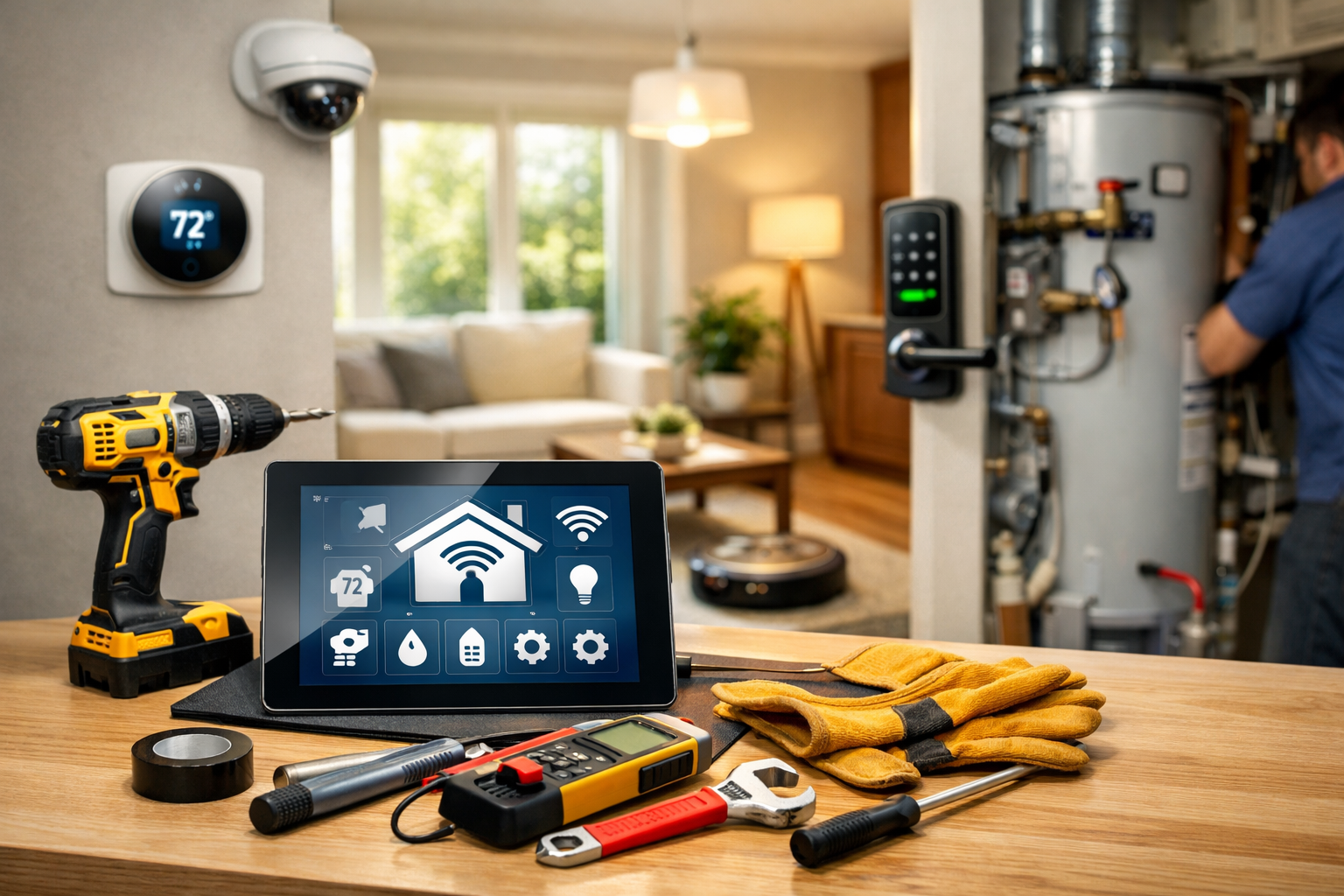
Why Home Maintenance Matters More Than Most Homeowners Realize
Home maintenance is not just about keeping a house looking neat. It is a practical, ongoing investment in safety, efficiency, comfort, and long-term property value. From small DIY touch-ups to scheduled inspections and seasonal repairs, regular upkeep helps prevent minor issues from turning into major expenses. Whether you live in a new build or an older property, every home benefits from a structured maintenance routine.
Many homeowners only react when something breaks, but a proactive approach is almost always more affordable. Roof leaks, poor drainage, worn sealant, clogged gutters, and neglected HVAC systems can quietly create damage over time. Staying ahead of these issues helps preserve structural integrity and reduces the likelihood of emergency repairs.
For homeowners looking to explore service categories and professional support related to building care, the Construction and Maintenance Archives offers a useful starting point for construction and maintenance-related resources.
Building a Practical Home Maintenance Plan
A good maintenance plan does not need to be complicated. The key is consistency. Breaking tasks into monthly, seasonal, and annual checklists makes home care manageable and easier to remember.
Monthly Tasks
- Check HVAC filters and replace them if dirty.
- Test smoke detectors and carbon monoxide alarms.
- Inspect sinks and toilets for hidden leaks.
- Clean kitchen exhaust filters.
- Look for signs of pest activity in basements, attics, and cabinets.
Seasonal Tasks
- Clean gutters and downspouts in spring and autumn.
- Inspect the roof for missing shingles or visible damage.
- Seal gaps around windows and doors.
- Service heating and cooling systems before peak-use seasons.
- Check outdoor drainage and make sure water flows away from the foundation.
Annual Tasks
- Flush the water heater to remove sediment buildup.
- Inspect caulking in bathrooms and kitchens.
- Examine exterior paint, siding, and masonry.
- Review attic insulation and ventilation.
- Schedule professional inspections for electrical, plumbing, or structural concerns when needed.
Essential DIY Maintenance Skills Every Homeowner Should Learn
You do not need to be a contractor to handle basic home upkeep. A few simple DIY skills can save money and help you respond quickly to routine problems.
1. Sealing and Caulking
Cracked or shrinking caulk around tubs, sinks, windows, and backsplashes can allow moisture to seep into walls and subfloors. Learning how to remove old caulk and apply a fresh, clean bead is one of the most valuable DIY home maintenance skills. It improves appearance and prevents water damage.
2. Patching Walls
Small nail holes, dents, and minor drywall damage are easy to repair with filler, a putty knife, sandpaper, and touch-up paint. Keeping walls in good condition supports both aesthetics and resale value.
3. Unclogging Drains Safely
Slow drains are common, but harsh chemical cleaners can damage pipes over time. A plunger, drain snake, and simple cleaning routine are often enough to resolve minor clogs while protecting plumbing.
4. Replacing Filters and Batteries
Air filters, water filters, and alarm batteries are small items with a big impact. Replacing them on schedule improves indoor air quality, appliance performance, and household safety.
5. Basic Weatherproofing
Applying weatherstripping, door sweeps, and sealant around openings reduces drafts and energy loss. This simple step can lower utility bills and make the home more comfortable year-round.
Areas of the Home That Need the Most Attention
Roof and Gutters
The roof is one of the most important protective systems in any home. Missing shingles, flashing problems, and blocked gutters can allow moisture to damage insulation, ceilings, and framing. Visual inspections after storms and regular gutter cleaning are essential preventive steps.
Foundation and Drainage
Water pooling near the base of the home can lead to foundation cracks, mold, and basement moisture. Make sure the grading slopes away from the house and that downspouts direct water far enough from the structure.
Windows and Doors
Drafty windows and poorly sealed doors can increase heating and cooling costs. Check for worn weatherstripping, cracked sealant, and signs of condensation or moisture intrusion.
Bathrooms and Kitchens
These areas are exposed to frequent moisture and therefore require regular attention. Inspect grout, caulk, plumbing connections, and cabinet interiors for leaks, mold, or deterioration.
Heating, Cooling, and Ventilation
HVAC systems need regular filter changes, unobstructed vents, and periodic servicing. Neglecting maintenance can reduce efficiency, shorten equipment lifespan, and affect indoor comfort.
When DIY Is Enough and When to Call a Professional
DIY maintenance is ideal for preventive care, cosmetic fixes, and simple replacements. However, not every issue should be handled alone. Structural repairs, major roofing work, electrical faults, gas-related issues, and hidden plumbing leaks often require professional expertise.
A good rule is this: if the repair affects safety, code compliance, or major systems, it is wise to seek experienced help. Timely professional intervention can prevent a small issue from spreading through multiple parts of the home.
How Regular Maintenance Protects Home Value
Well-maintained homes generally perform better in the housing market. Buyers notice clean exteriors, functioning systems, dry basements, solid roofing, and updated finishes. Even if you are not planning to sell soon, routine upkeep protects the condition of the property and reduces deferred maintenance that can pile up over the years.
Maintenance records also add value. Keeping receipts, inspection notes, and a checklist of completed tasks shows that the property has been responsibly cared for. This can build buyer confidence and support stronger resale potential.
Creating a Long-Term Mindset for Home Improvement
Home maintenance works best when it becomes a habit rather than a last-minute reaction. A few hours each month can prevent thousands in future repair costs. By combining basic DIY knowledge with timely professional support, homeowners can create a safer, more efficient, and more attractive living environment.
The most successful approach is simple: inspect regularly, repair early, and improve gradually. Over time, these efforts make a home easier to manage and more rewarding to live in. Whether you are focused on preserving value, reducing energy waste, or keeping your family comfortable, consistent maintenance is one of the smartest home improvement strategies you can adopt.