
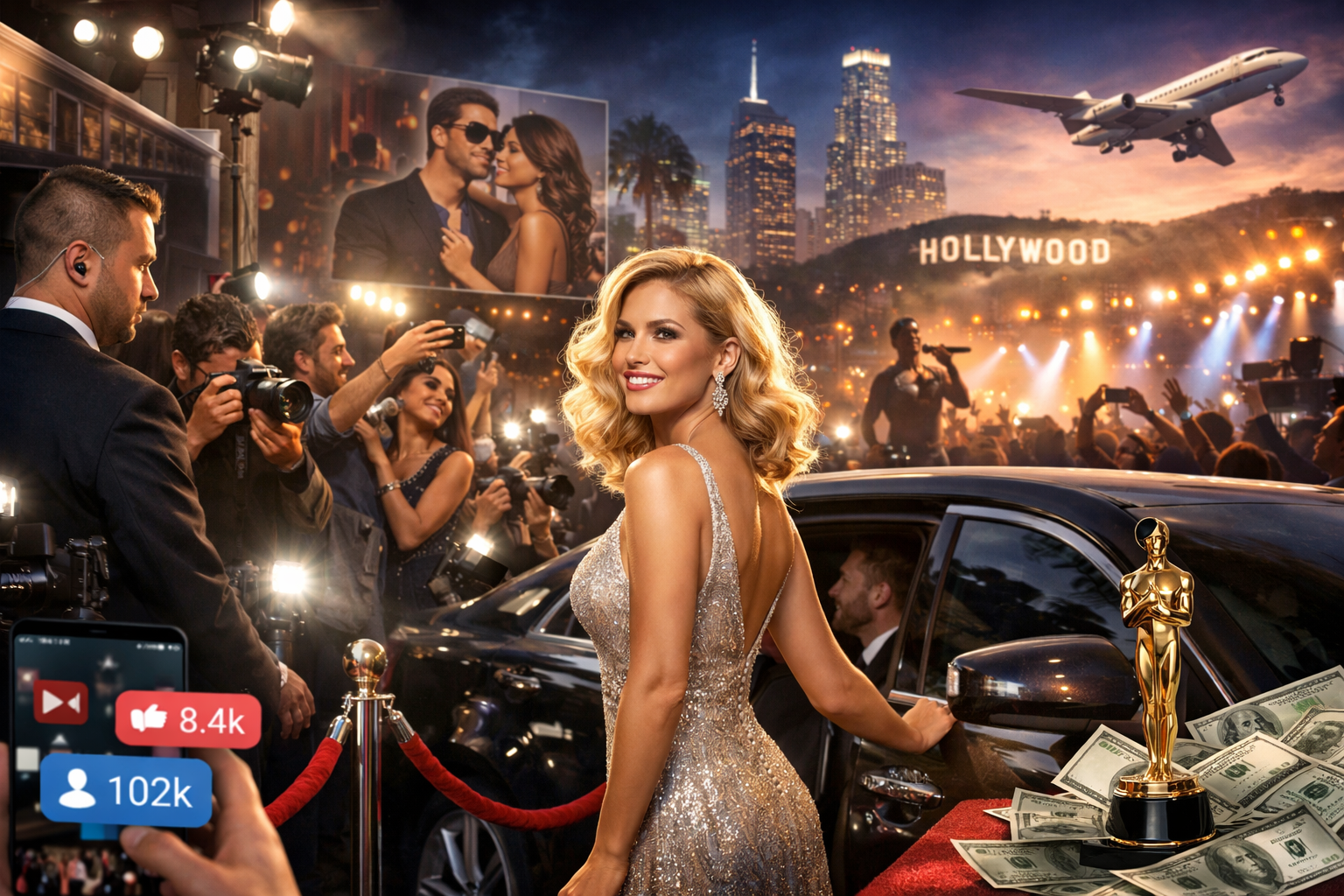
The Enduring Power of Celebrity in Entertainment
Celebrities occupy a unique place in modern entertainment. They are performers, public figures, trendsetters, and, increasingly, entrepreneurs with influence that stretches far beyond film sets, concert stages, and television screens. From actors and musicians to athletes, reality stars, and online personalities, celebrities help define what audiences watch, discuss, admire, and sometimes criticize.
The fascination with celebrities is not new, but the scale and speed of that fascination have changed dramatically. In earlier eras, fans relied on magazines, television interviews, and tabloid coverage to learn about famous figures. Today, social media offers instant access to celebrity updates, allowing stars to communicate directly with millions of followers. This shift has transformed fame from something carefully managed by studios and publicists into a more constant, interactive, and sometimes unpredictable experience.
Why Audiences Remain Fascinated
Part of the appeal of celebrities lies in their ability to represent aspiration. They often embody success, glamour, talent, and exclusivity. Fans may admire a celebrity’s work, style, confidence, or personal journey. At the same time, audiences are drawn to moments that reveal vulnerability, because they make famous people seem more relatable and human.
Celebrity stories also offer a blend of entertainment and emotional investment. A new film premiere, an awards show speech, a public romance, or a career comeback can generate widespread interest because these moments feel like chapters in an ongoing narrative. In many ways, celebrity culture functions like a shared social storyline, one that evolves across media platforms and invites public reaction.
The Business of Being Famous
Behind the glamour, celebrity is also a sophisticated business. A successful public image can lead to endorsement deals, fashion collaborations, production companies, beauty brands, book contracts, and speaking engagements. Many celebrities now operate as full-scale personal brands, using visibility to build long-term commercial value.
This evolution has changed the entertainment industry itself. Studios and labels still matter, but celebrities often seek greater control over their careers by launching their own ventures. An actor may become a producer, a singer may create a lifestyle brand, and a television personality may turn fame into a multi-platform business empire. Their name becomes not just an identity, but a market asset.
- Brand partnerships: Celebrities help companies reach large and loyal audiences.
- Social influence: A single post can shape trends in fashion, beauty, travel, or wellness.
- Content ownership: More stars are producing films, series, podcasts, and digital media under their own labels.
- Global reach: Streaming platforms and social media have expanded celebrity visibility across international markets.
Social Media and the New Rules of Fame
Perhaps the biggest change in celebrity culture has come from digital platforms. Instagram, TikTok, X, and YouTube have redefined how fame is created, maintained, and measured. Traditional celebrities now share space with influencers and creators who have built massive audiences without relying on Hollywood gatekeepers.
This democratization of visibility has made celebrity culture more immediate and more crowded. Fame can emerge quickly from a viral moment, but it can also disappear just as fast. For established stars, social media offers an opportunity to shape personal narratives, promote projects, and connect directly with fans. However, it also creates pressure to remain visible, relevant, and responsive at all times.
The result is a more complex public relationship between celebrities and audiences. Fans expect access, authenticity, and transparency, but constant exposure can blur the boundaries between public performance and private life. A casual post, offhand comment, or resurfaced clip can ignite controversy within minutes, making reputation management more challenging than ever.
Public Scrutiny and the Cost of Visibility
While fame brings opportunity, it also brings intense scrutiny. Celebrities live under a level of observation that can affect personal relationships, mental health, and professional choices. Their appearance, opinions, families, and mistakes are often discussed in public forums with relentless detail. In some cases, criticism becomes invasive or dehumanizing.
The conversation around celebrity treatment has evolved in recent years. Audiences and media outlets have become more aware of the harm caused by intrusive reporting, online harassment, and unrealistic expectations. There is growing recognition that celebrities, despite their status, are still individuals navigating pressure, burnout, and personal challenges.
This shift has encouraged more nuanced discussions around privacy and accountability. Public figures can and should be held responsible for harmful actions, but there is also increasing resistance to turning every aspect of their lives into entertainment. The balance between public interest and personal dignity remains one of the central tensions of celebrity culture.
Celebrities as Cultural Influencers
Celebrities do more than entertain; they influence culture in visible and lasting ways. They help popularize language, aesthetics, political conversations, and social causes. A red carpet appearance can inspire fashion trends worldwide. A documentary or personal testimony can bring attention to mental health, discrimination, or humanitarian issues. Because celebrities command attention, they often become powerful amplifiers of public discourse.
That influence can be beneficial when used thoughtfully. Many public figures support charitable campaigns, advocate for marginalized communities, or use their platforms to encourage civic engagement. At the same time, influence without expertise can be problematic, especially when celebrities promote misinformation or oversimplify complex issues. Their cultural power is significant, but it comes with responsibility.
The Expanding Definition of Celebrity
Today, celebrity is no longer limited to movie stars and chart-topping musicians. Reality television personalities, esports competitors, podcasters, social media creators, and even chefs can achieve celebrity status. This expansion reflects broader changes in how audiences consume entertainment. People now form strong connections with personalities across many formats, from streaming series and live broadcasts to short-form video and niche online communities.
As a result, modern celebrity is more fragmented but also more personalized. Different audiences follow different kinds of stars, and influence often depends on community engagement rather than universal recognition. A creator may be hugely influential within a specific demographic while remaining unknown to the general public.
The Future of Celebrity Culture
Celebrity culture will continue to evolve alongside technology, media habits, and audience expectations. Artificial intelligence, virtual personalities, and new content platforms may further reshape what fame looks like in the years ahead. Yet some core elements are likely to remain the same: people will still seek stories, personalities, and symbols that help them make sense of entertainment and society.
In the end, celebrities matter not only because they are famous, but because they reflect broader cultural values and contradictions. They represent ambition and excess, creativity and commerce, connection and distance. Understanding celebrity culture means understanding how modern entertainment works—and why audiences remain captivated by the people at its center.