
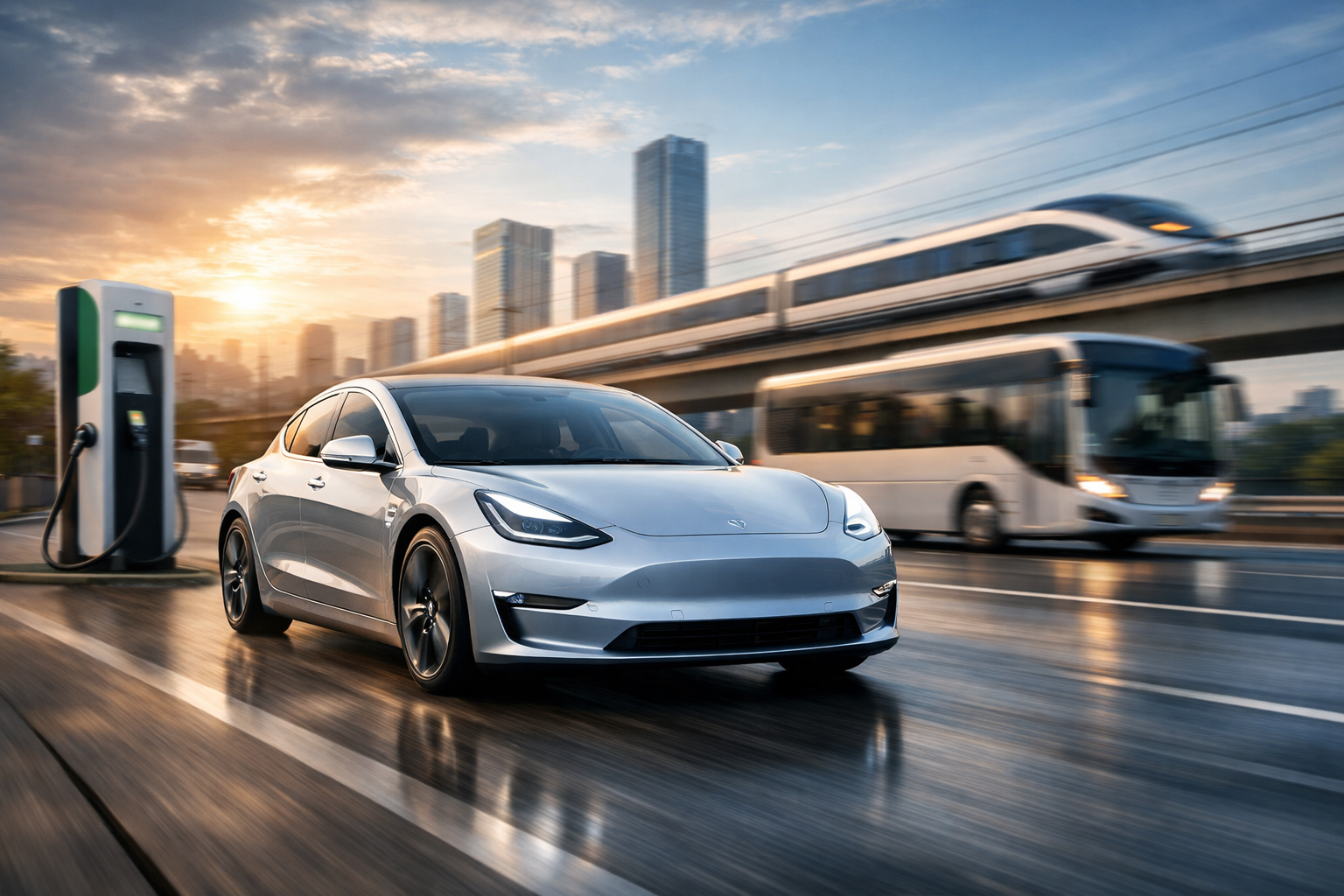
The Rapid Rise of Electric Vehicles
Electric vehicles, commonly known as EVs, have moved from niche products to mainstream transport solutions in just a few years. Once viewed as expensive alternatives for early adopters, EVs are now appearing across every major segment of the automotive market, from compact city cars and family SUVs to delivery vans, buses, and high-performance sedans. Their rise is being driven by a combination of environmental concerns, government policy, technological progress, and changing consumer expectations.
At the heart of the EV revolution is a simple shift: replacing internal combustion engines with electric motors powered by rechargeable batteries. This change reduces tailpipe emissions, lowers fuel costs, and can dramatically alter the overall driving experience. EVs are quieter, smoother, and often faster off the line than traditional gasoline or diesel vehicles due to instant torque delivery.
Why EVs Matter in the Transport Sector
Transport is one of the largest contributors to greenhouse gas emissions in many countries. Passenger cars, freight vehicles, and urban transport systems all rely heavily on fossil fuels, making decarbonization a major priority. EVs offer a practical route toward cleaner mobility, especially when paired with electricity generated from renewable sources such as solar, wind, or hydro.
Beyond emissions, EVs also help reduce local air pollution in urban environments. Since fully electric vehicles produce no tailpipe exhaust, they can improve air quality in crowded cities where nitrogen oxides and particulate matter from conventional vehicles have long been a public health concern. This makes EV adoption not only a climate strategy but also a quality-of-life improvement.
Key benefits of EV adoption include:
- Lower operating costs compared with fuel-powered vehicles
- Reduced maintenance due to fewer moving parts
- Zero tailpipe emissions in fully electric models
- Quieter operation and improved driving comfort
- Better integration with smart energy systems and renewable power
Battery Technology: The Engine Behind EV Progress
Battery development is one of the most important factors shaping the EV market. Modern electric vehicles typically use lithium-ion battery packs, which have become more energy-dense, more reliable, and less expensive over time. As battery costs decline, EV prices move closer to parity with combustion-engine vehicles, making them more accessible to a broader range of buyers.
Range anxiety, once one of the biggest barriers to EV ownership, is also gradually fading. Many newer EV models now offer ranges suitable for daily commuting and even long-distance travel. Fast-charging capabilities are improving as well, allowing drivers to recover significant battery capacity in far less time than before. Research into solid-state batteries and next-generation chemistries may further improve range, safety, durability, and charging speed in the years ahead.
Charging Infrastructure and Everyday Practicality
Charging infrastructure remains one of the most discussed aspects of EV adoption. For many drivers, the convenience of charging at home is one of the biggest advantages of owning an electric car. Overnight charging can replace regular visits to the gas station, and workplace charging adds another layer of flexibility for commuters.
Public charging networks are also expanding rapidly. Highway fast chargers, retail destination chargers, and urban curbside stations are helping make EV ownership more practical for apartment residents, long-distance travelers, and fleet operators. However, infrastructure growth must continue to keep pace with rising demand. Reliability, charger availability, standardized payment systems, and charging speed all play major roles in user satisfaction.
Common charging types include:
- Home AC charging: Ideal for overnight top-ups and daily use
- Public AC charging: Useful for parking lots, offices, and shopping areas
- DC fast charging: Designed for quicker charging on highways and busy travel routes
EVs Beyond Private Cars
While consumer electric cars receive the most attention, the broader transport sector is also shifting toward electrification. Electric buses are increasingly being adopted by cities looking to cut emissions and noise in public transport. Delivery fleets are turning to electric vans to reduce fuel expenses and support sustainability targets. In some regions, even two-wheelers, taxis, ride-share vehicles, and heavy trucks are beginning to transition to electric platforms.
This broader adoption matters because commercial and public transport vehicles often log more miles than private cars. Electrifying these segments can therefore generate outsized benefits in emissions reduction and operational savings. For fleet managers, EVs can also offer more predictable energy costs and easier maintenance scheduling.
Challenges Slowing the Transition
Despite strong momentum, EV adoption still faces real challenges. Purchase prices can remain high in some markets, particularly where incentives are limited. Battery raw material sourcing, including lithium, nickel, and cobalt, raises concerns about supply chains, mining impacts, and geopolitical dependence. There are also questions around grid capacity, especially if large numbers of vehicles begin charging during peak demand periods.
Cold weather performance, towing range, and charging access for drivers without private parking are additional practical concerns. Consumers may also hesitate due to unfamiliar technology, resale value uncertainty, or misinformation about battery lifespan. Addressing these barriers will require coordinated progress from automakers, energy providers, policymakers, and charging network operators.
The Road Ahead for Electric Mobility
The future of EVs is not just about replacing one type of car with another. It is about rethinking mobility as a connected, intelligent, and more sustainable system. Software-defined vehicles, vehicle-to-grid technology, advanced driver assistance systems, and renewable-powered charging networks are all shaping the next chapter of electric transport.
As competition increases, consumers can expect greater model variety, better affordability, and more specialized options for different transport needs. Governments will continue to influence the pace of adoption through emissions regulations, incentives, and infrastructure investment. At the same time, market forces are pushing manufacturers to innovate faster and scale production more efficiently.
Electric vehicles are no longer a distant vision of tomorrow. They are already redefining how people move, how goods are delivered, and how cities plan for cleaner, quieter streets. While the transition is still underway, EVs have clearly established themselves as a cornerstone of the future of automotive and transport.